

What Is Belle Epoque Fashion (and Why Is It Back in Style)?
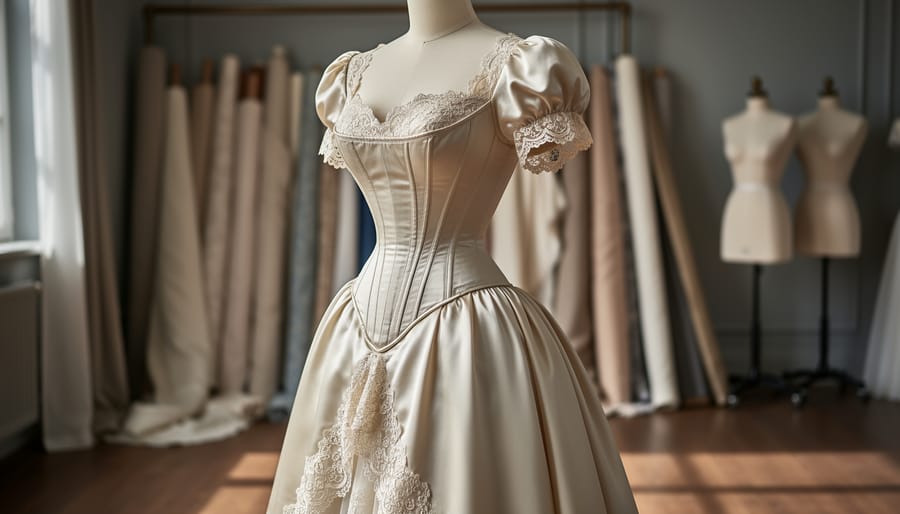
Belle epoque fashion is the dress of France’s “beautiful era,” roughly the 1890s to 1914, defined by a corseted S-bend silhouette, a cinched waist, a full bust and hips, and a surplus of lace, silk, and ornament. Think high necklines by day, plunging satin by night, and skirts that flare from the knee. It’s femininity engineered through structure, and the construction is the whole story.
That structure is exactly why the look keeps resurfacing. As the emerging Belle Fashion trend gathers pace, designers and stylists are borrowing its tailoring logic: the nipped waist, the sculpted sleeve, the romantic trim. It sits comfortably alongside the nostalgic dressing Pinterest flagged when its 2022 predictions report said searches for Y2K-inspired fashion were reaching a fever pitch. Fashion keeps looking backward for permission to be ornate.
This guide covers the practical questions. How does the silhouette work, and what holds it up? Which pieces define it, from tea gowns to tailored jackets? And how do you wear it now without looking like you’re heading to a costume ball? We’ll also point you to where the Parisian couture tradition behind it can be seen up close: the Special Exhibition, Paris Couture runs on several dates this autumn, including November 15, 20, and 27, from 10:00 am to 4:00 pm.
Knowing the architecture makes the modern versions easier to spot, and easier to style well.
What Belle Epoque Fashion Means: A Plain-Language Definition
The Silhouette That Defined an Era
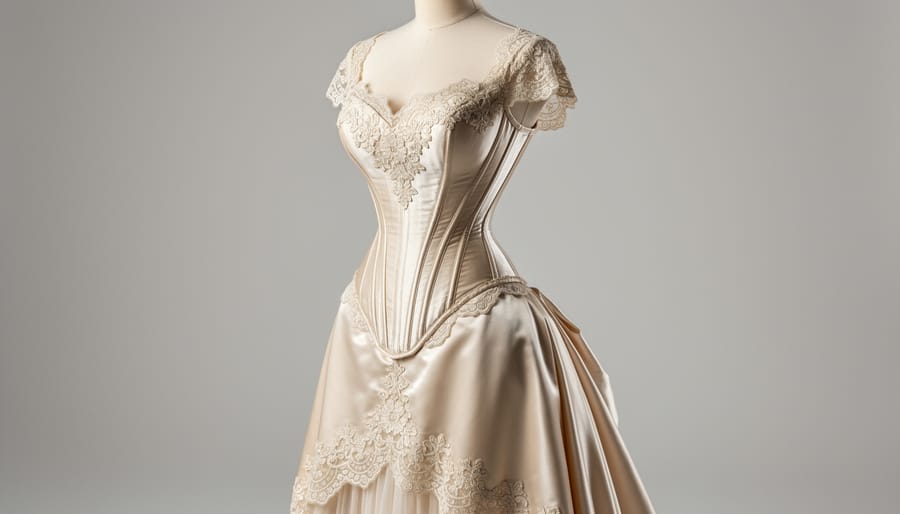
Picture a figure that seems to lean forward from the hips while the chest pushes proudly ahead. That was the Belle Epoque ideal, often called the S-bend or “pigeon-breast” line. A long, stiff corset, built to be straight in front, tipped the torso into that curve, so the bust sat full and forward and the hips swept back in a gentle counter-arc.
The waist was the focal point, cinched to a dramatic narrowness that made everything above and below it look more generous. Above it, soft blouses, lace panels and gathered bodices added fullness to the bust. Below it, skirts fitted smoothly over the hips and then flared outward, often finishing in a train that skimmed the ground and rustled with every step.
Together these elements created a flowing, sculpted outline, almost like a single sweeping brushstroke. It was the era’s signature, and it explains why the look is so instantly recognizable. Even today, a nipped waist or a swirl of fabric at the hem can nod to this romance without any of the period’s rigid structure.
How Belle Epoque Fashion Works: Construction, Craft, and Cultural Codes
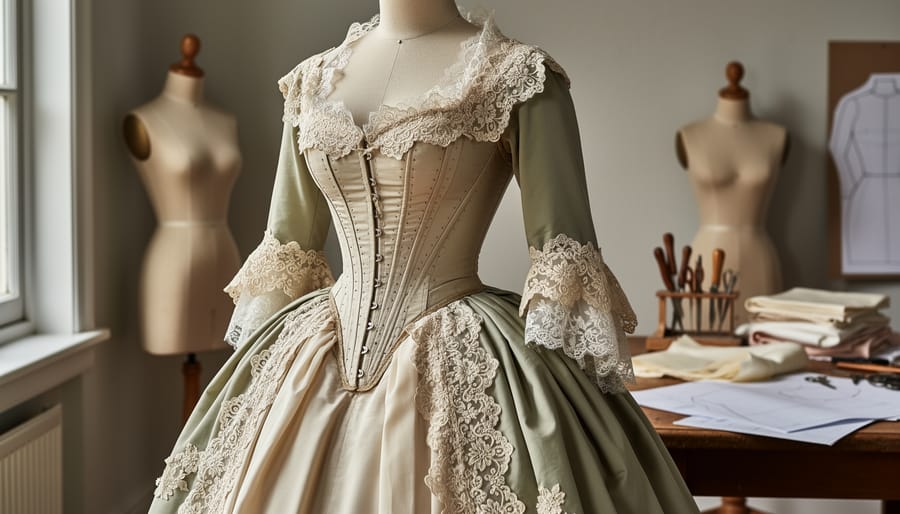
The Belle Epoque silhouette was engineered before it was ever embellished. The corset acted as architecture, a scaffold of boning and busk that redirected the torso into the S-bend line, pushing the bust forward and the hips back. Over it came layers of underpinnings: a chemise, corset cover, petticoats, and sometimes a bustle or hip pad. Each layer had a job, from smoothing the line to giving skirts their controlled flare.
Tailoring and draping did the rest. Dressmakers cut bodices to fit the shaped torso almost like a second skin, then let the skirt fall in carefully managed folds, often ending in a train. Fabric choice mattered as much as cut. Crisp cottons and linens held structure for daytime, while silk satins, chiffons, and velvets gave evening gowns their liquid movement.
The decoration was slow, skilled work. Lace was frequently finished by hand, and embroidery, beading, and appliqué were applied stitch by stitch, which is why a single gown could represent weeks of labor. That craftsmanship was part of the message: the wearer’s clothes announced time, access, and taste.
Dress codes shaped the whole day. Mornings called for simple, practical walking dresses and tailored suits. The afternoon promenade demanded polish, with hats, gloves, and structured jackets. Tea gowns allowed a softer, less corseted line at home, and evening required the full spectacle of low necklines, trains, jewels, and opulent fabrics. Changing several times a day was the norm for those who could afford it.
Couture houses of the period set the pace by presenting new lines each season and having society clients adopt them, a top-down rhythm that still sounds familiar. Today’s runway trend cycles work on a similar logic, with designers introducing a shape or mood that filters outward into wider wardrobes. Nostalgia fuels it too. Pinterest’s 2022 predictions report noted that Y2K-inspired fashion was reaching a fever pitch, showing how readily a past era can return when the timing feels right.
Types of Belle Epoque Looks: Key Pieces and Components
Day Dress to Evening Gown
The daywear of the promenade was built for structure and restraint. A tailored jacket-bodice, a high boned collar, and a skirt that skimmed the ground in a clean bell shape kept the look composed through hours of walking, calls, and shopping. Fabrics leaned practical: wool, linen, and crisp cotton, trimmed with braid or modest lace and finished with a neat belt at the cinched waist.
Evening was another world entirely. After dark, necklines dropped, shoulders came bare, and silks, satins, and tulle took over, often layered and gathered into a trailing train. Beading, sequins, and embroidery caught the gaslight and, later, electric light, which made the glitter feel almost theatrical. Opera dress pushed this furthest, since the audience was part of the show.
The contrast is where the era’s wardrobe logic shows itself. Day dress signaled propriety and polish; evening dress signaled spectacle. Both shared the same S-bend silhouette, yet one covered while the other revealed.
That split translates easily today. A fitted jacket with a defined waist nods to the promenade, while a bias-cut satin skirt or a beaded top borrows the evening’s glamour. Pairing one of each captures the full arc of the period without looking like costume.
Accessories and Beauty Details
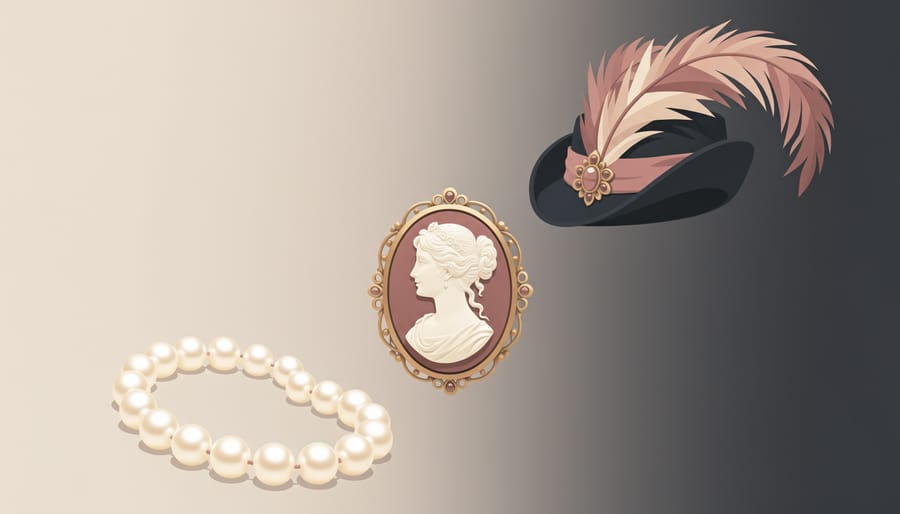
No Belle Epoque look was finished without its details. Wide-brimmed hats piled high with ostrich plumes, silk flowers and even stuffed birds sat atop elaborate upswept hair, usually pinned over a soft pompadour. Long kid gloves, often in pale shades, covered the arm for evening, while day gloves were shorter and more practical. Jewelry leaned delicate and luminous: pearl chokers, cameo brooches, and diamond-set pieces that caught gaslight and, later, electric light.
The complexion was just as deliberate. Women favored a pale, softly powdered finish, a touch of rouge on the cheeks, and subtly tinted lips, a restrained counterpoint to all that ornament. That luminous, skin-first approach feels surprisingly current. If you want to see how modern makeup artists are reworking it, our roundup of fashion week beauty shows how soft, romantic faces keep returning to the runway.
To translate it today, pick one accent: a pearl necklace, a loosely pinned updo, or a velvet ribbon at the throat.
How Belle Fashion Is Used Today: From Runway to Everyday
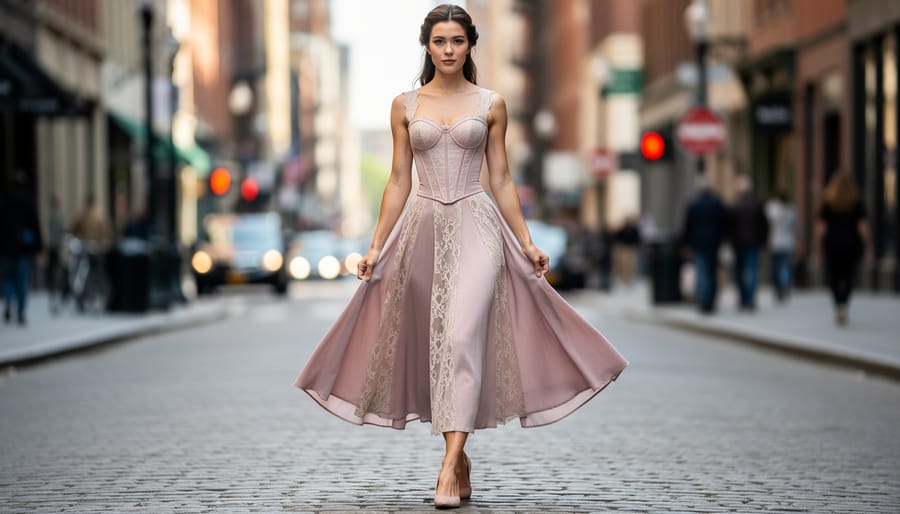
Wearing the Look Without the Costume
The easiest way to wear Belle Epoque fashion today is to choose one statement element and let everything else stay modern. A lace-trimmed blouse with a high collar already carries the whole romantic mood, so pair it with straight-leg jeans and flat boots instead of a full period ensemble. That contrast between delicate and rugged is what keeps the look from tipping into costume.
Sleeves are another low-risk entry point. A voluminous puff or leg-of-mutton sleeve on a simple knit or shirt gives you the era’s drama without any restrictive construction. If you love the hourglass line, try a corset-inspired belt or a tailored waistcoat over a loose white shirt, which defines the waist without the corsetry.
Soften structure wherever you can. Relaxed trousers, an easy blazer, or a slip skirt balance anything ornate, and neutral tones like ivory, dove gray, and soft black let the texture do the talking. Layer a vintage cameo brooch or pearl strand over everyday basics for a finishing touch.
Think of it as borrowing a mood rather than a wardrobe. Much like the nostalgia trends today that remix past decades into daily outfits, Belle Epoque details work best when they are edited, worn lightly, and styled with confidence.
Sustainability and the Case for Vintage
Fast-fashion revivals tend to flatten a period like the Belle Epoque into cheap lace trim and polyester “corset” tops. The better route runs through vintage and secondhand. Original pieces from the era are rare and fragile, but vintage-inspired blouses, lace collars and tailored jackets from later decades turn up regularly in resale shops and online marketplaces. Buying one well-made piece beats stocking up on several that won’t survive a season.
Repair is part of the appeal. Heirloom lace can often be stabilized, mended with fine thread, or lifted from a worn garment and reworked into a new collar, cuff or panel. A skilled tailor or textile conservator can tell you what a piece can safely handle before you wear it.
When buying new, look for durable, responsibly sourced fabrics such as cotton batiste, linen, silk and wool crepe, and ask brands where and how they were made.
The silhouette has to be adaptable too. Thinking about inclusivity in fashion means letting waistlines, necklines and sleeve volumes be altered to suit different bodies, rather than forcing one historical shape onto everyone.
Where to See Paris Couture in Person: Key Details
If you’d like to see couture up close rather than through a screen, there is a Special Exhibition, Paris Couture on the calendar. Five dates are listed, and each runs from 10:00 am to 4:00 pm:
– Saturday, October 24, 2026
– Friday, October 30, 2026
– Sunday, November 15, 2026
– Friday, November 20, 2026
– Friday, November 27, 2026
That is the full extent of what’s confirmed here. The organizers and venue haven’t been verified, so there’s no address or host to point you toward, and I won’t guess at either. I also can’t say what’s on display or whether the exhibition touches on Belle Epoque dress specifically, so please don’t assume a connection to the era.
Before you plan a trip, check the official event listing or the organizer’s own channels for the venue, ticketing, any entry requirements and whether the schedule has changed. Spread across several weeks, the dates leave room to fit a visit around your own calendar, but confirm them first so you aren’t surprised at the door.
How Belle Epoque Fashion Is Used
Belle Epoque fashion shows up in modern wardrobes in surprisingly practical ways. Designers borrow the era’s romance through high-neck lace blouses, corset-inspired bodices, and sleeves with real volume. Stylists use these pieces to add drama to simple outfits, pairing a ruffled collar with tailored trousers or a lace camisole under a blazer.
The revival also fits a wider habit of nostalgia. Pinterest’s 2022 predictions report said searches for Y2K-inspired fashion were reaching a fever pitch, and if you’re wondering what is Y2K fashion it’s another case of a past era being remixed for today. Belle Fashion works the same way, taking a century-old mood and making it wearable.
Beyond everyday dressing, the look serves occasions well. A softly structured gown suits weddings and galas, while a single lace detail can elevate a workday outfit. Vintage pieces, meanwhile, give you craftsmanship that’s hard to find in fast fashion.
Belle Epoque Fashion FAQs
Readers keep asking the same handful of questions about this look, so here are straight answers, grounded in what we can verify.
What do Y2K, goth, and Hellenic design have in common with Belle Epoque style?
All of them thrive on nostalgia, strong silhouettes, and the reinvention of the past. Pinterest’s 2022 predictions report noted that searches for Y2K-inspired fashion were reaching a fever pitch, a reminder that eras resurface when people crave a distinct, recognizable shape.
What is Belle Fashion?
It’s an emerging trend phrase for renewed interest in the romance and craftsmanship of Belle Epoque dress. No single agreed definition exists yet, so treat it as a shorthand for the mood rather than a strict category.
How is Belle Epoque fashion different from Victorian dress?
Belle Epoque looks grew out of Victorian dress but turned softer and more fluid, with the S-bend line, lighter fabrics, and lavish lace replacing heavier, more rigid shapes. The result feels more luxurious and leisure-minded.
Can you wear Belle Epoque style every day?
Yes, if you borrow rather than costume. A lace blouse, a statement sleeve, or corset-inspired tailoring paired with denim keeps the romance without the full period silhouette.
A fifth question comes up often: how do you care for delicate lace or a vintage garment? The safest approach is the gentlest one. Avoid aggressive washing, support fragile fabric when handling it, and consult a specialist conservator or experienced tailor before attempting repairs on anything irreplaceable.
If you’d like to see the era’s legacy up close, remember that the Special Exhibition, Paris Couture is scheduled on Saturday, October 24, Friday, October 30, Sunday, November 15, Friday, November 20, and Friday, November 27, 2026, each from 10:00 am to 4:00 pm. Check official sources for venue and organizer details before you go.
Belle Epoque fashion endures because it understands something modern wardrobes keep rediscovering: clothing can be an act of romance. The cinched waist, the hand-finished lace, the unapologetic sense of occasion are not relics so much as a standing invitation to dress with intention. “Belle Fashion” is simply the name this renewed appreciation is growing into, and while its definition is still taking shape, its spirit is clear. It values craft over churn and beauty over haste.
If the era has caught your eye, go and see it up close. Paris couture is the sort of subject best understood in person, where you can study seams, trims, and silhouettes the way their makers intended. Vintage shops and heirloom trunks offer another route in, and a repaired lace collar or a reworked blouse will always be more distinctive, and kinder to the planet, than a hurried imitation.
Above all, interpret the look as your own. Adapt the structure to fit your body, soften what feels severe, and keep only the details that delight you. The best revivals never copy the past. They carry its grace forward, one thoughtful, beautifully made piece at a time.
Leave a Reply