

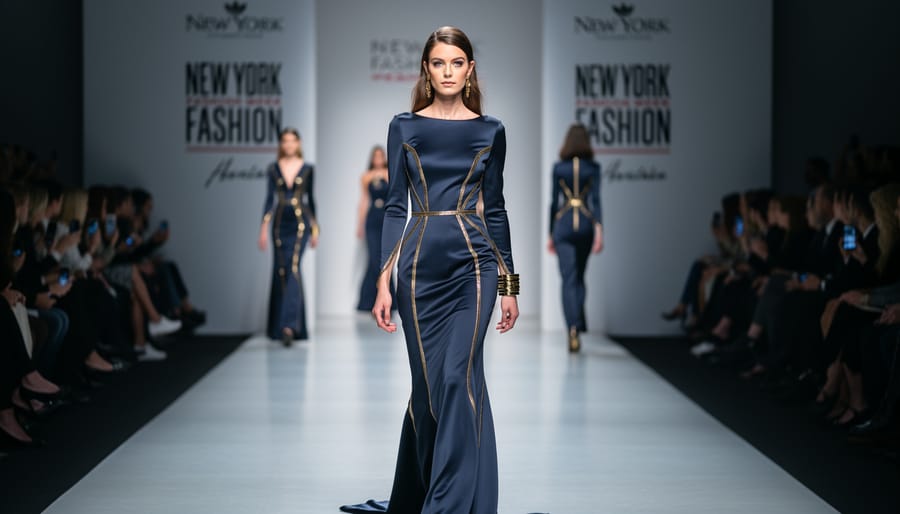
NYC Fashion Week 2026 News Update: What Changed and What to Watch This September
New York Fashion Week returns September 10-15, 2026, marking a pivotal moment for American fashion as Henry Zankov makes his debut as creative director of Diane von Furstenberg and the week concludes with an ambitious Saturday night finale showcasing 9 designers and 110 looks. This September season arrives at a critical juncture for the American fashion calendar, with industry observers closely watching how New York positions itself against the European shows and whether recent format experiments will stick.
The official schedule confirms that NYFW will maintain its traditional six-day format, bookended by two marquee moments that signal where American fashion is headed. Zankov’s appointment at DVF represents a significant changing of the guard at one of New York’s heritage brands, while the multi-designer finale on September 15 with Thom Browne suggests a collective approach to closing the week, a departure from the single-designer spectacle that has dominated past seasons.
For those tracking the fashion calendar, applications for the official NYFW schedule are currently open, and the Bridal market will follow in October with shows scheduled for October 13-15. What makes this September particularly worth watching is how designers and organizers are responding to persistent questions about New York’s relevance in an increasingly digital, globalized fashion ecosystem. The format shifts, new creative appointments, and finale structure aren’t just logistical decisions but strategic positioning for a fashion capital that has spent recent years reimagining its role.
Whether you’re planning to attend shows, follow digital coverage, or simply want to understand the direction of American fashion, this season offers clear indicators of where the industry is headed.
What Changed: New Leadership and a Restructured Finale
September 2026 marks a pivotal shift in how New York Fashion Week structures its designer showcases. Three defining changes distinguish this season from previous years: the appointment of Henry Zankov as creative director for Diane von Furstenberg and his Sept. 10 opening presentation, a streamlined six-day calendar running through September 15, and a reimagined Saturday night finale that consolidates nine designers into a single 110-look event. The adjustments signal a deliberate recalibration of runway pacing and designer exposure.
The condensed format addresses longstanding conversations about runway fatigue and media coverage dilution. By compressing the calendar, NYFW creates space for individual shows to receive more focused attention while reducing the physical and financial strain on attendees, press, and production teams. The six-day structure maintains the season’s comprehensive designer roster while eliminating slack days that historically fragmented audience engagement.
The finale format represents the most visible strategic shift. Rather than spacing closers across multiple nights, the Saturday evening presentation concentrates nine designers into a coordinated showcase. This approach amplifies the cumulative impact of closing night, creates a definitive endpoint for press coverage, and positions emerging talents alongside established names in a single high-profile event. The 110-look presentation offers each participating designer meaningful runway time while building anticipation through a structured progression that holds audience attention through the week’s conclusion.
Key Developments to Track This Season
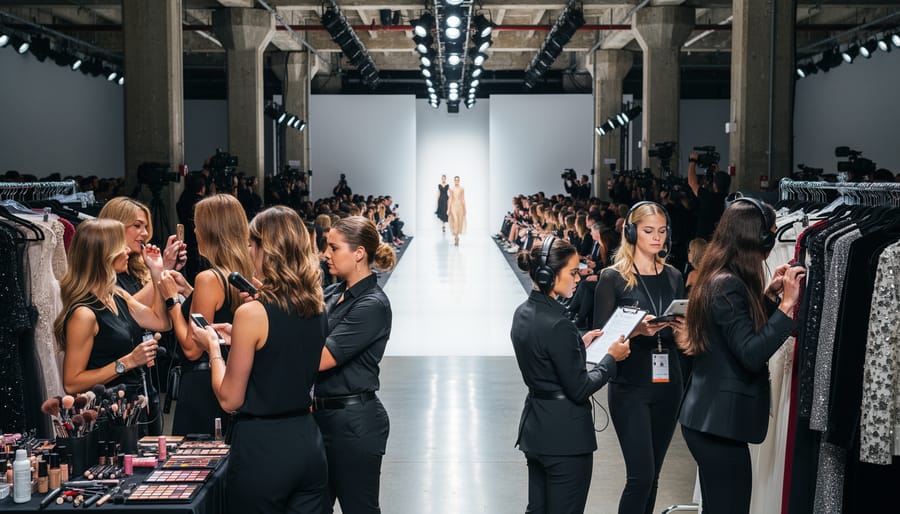
1. Henry Zankov’s Diane von Furstenberg Debut Opens the Week

Henry Zankov’s appointment as artistic director of Diane von Furstenberg represents more than a personnel change, it signals a deliberate repositioning of one of New York’s most recognizable heritage brands. That the September 2026 schedule kicks off with Zankov’s debut on September 10 underscores both DVF’s confidence in the transition and NYFW organizers’ recognition of the moment’s symbolic weight.
Zankov brings a track record of knitwear innovation and color confidence to a house built on the wrap dress and 1970s glamour. His own label earned him a CFDA American Emerging Designer of the Year nomination, and his technical skill with texture has won editorial respect. For DVF, which has cycled through creative leadership since founder Diane von Furstenberg stepped back from day-to-day design, Zankov offers the prospect of a cohesive vision grounded in American craft rather than imported aesthetic.
Industry watchers expect the debut to balance archival codes with fresh proportion. Zankov has spoken publicly about his admiration for DVF’s legacy of dressing women for confidence and mobility, and insiders anticipate he’ll lean into those values rather than chase runway spectacle for its own sake. The question is whether he can modernize the brand’s silhouette, a challenge previous tenures struggled to solve, while retaining the ease and wearability that defined its appeal.
Opening NYFW with this collection positions DVF as a bellwether for how heritage American brands navigate generational shifts. The timing matters: September’s Spring-Summer 2027 previews arrive as retailers press designers for commercial clarity and consumers demand genuine creative direction. Zankov’s debut will set the tone for whether New York’s established names can evolve without losing their identity.
2. The Saturday Night Finale: 9 Designers, 110 Looks
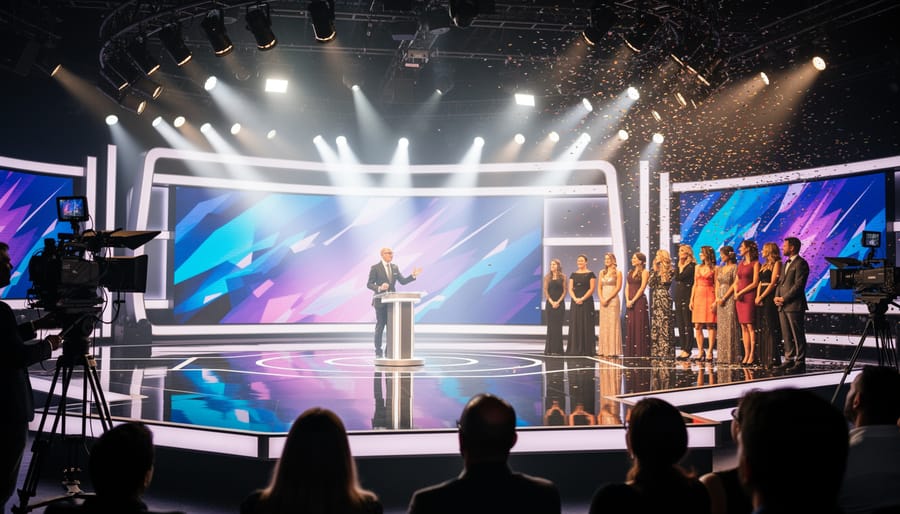
The September 15 finale represents NYFW’s most ambitious single-evening presentation yet. Nine designers will showcase 110 looks in a consolidated Saturday night event that replaces the traditional scattered closing shows. This format compresses what used to unfold across multiple venues and time slots into a single, high-energy spectacle designed to capture industry attention and media coverage when both are at peak concentration.
NYFW organizers have consolidated the closing night to create a memorable capstone moment for the season. Previous years saw designers compete for attention across fragmented schedules, with some closing shows drawing sparse attendance as buyers and editors departed for Milan. The unified finale solves that problem by guaranteeing a full house and concentrated press coverage. It also positions New York to compete with the blockbuster finale formats that Paris and Milan have perfected, where a single evening can generate weeks of social media momentum and retail buzz.
The shift carries specific implications for everyone involved:
- Attendees get a comprehensive closing showcase without juggling multiple venues or time conflicts
- Press and buyers see emerging and established designers side-by-side, making comparative assessment easier
- Emerging designers gain exposure they might not achieve with standalone shows, benefiting from shared production values and audience
- Sponsors and partners can concentrate resources on one high-impact event rather than spreading budgets thin
For the designers participating, the format means sharing a stage rather than commanding individual attention. That trade-off works differently depending on profile: established names lend credibility to the event, while newer designers access an audience they couldn’t assemble independently. The 110 looks suggest each designer will present roughly twelve pieces, a tighter edit than the typical fifteen to twenty-five look runway show. That constraint forces sharper curation and faster pacing, which aligns with how buyers and press actually consume collections in an oversaturated market. Whether this becomes the permanent closing format or a one-season experiment will depend on designer feedback and audience response, but the consolidation reflects broader industry moves toward fewer, bigger, more strategically timed presentations.
3. Extended Calendar: Spring-Summer 2027 Collections and Bridal Week
The September 2026 shows operate on fashion’s traditional advance timeline, previewing Spring-Summer 2027 collections a full season ahead of retail availability. This bi-annual rhythm, February for Fall-Winter, September for Spring-Summer, allows buyers, editors, and stylists six months to plan purchases, editorials, and celebrity placements before garments reach consumers. Understanding this cadence is crucial: what walks the runway on September 10-15 won’t appear in stores until early 2027.
New York maintains this schedule in lockstep with Paris, Milan, and London, positioning itself as the opening anchor of the global fashion month circuit. The September 2026 calendar extends beyond the main ready-to-wear week, with NYFW Bridal scheduled for October 13-15. This dedicated bridal segment operates on its own application process, giving wedding-focused designers a distinct showcase two weeks after the main event. The staggered timing prevents overlap and allows industry professionals to attend both cycles without scheduling conflicts.
Designers seeking official NYFW placement must navigate application windows months in advance. The September 2026 official schedule application opened earlier this year, with organizers curating entries based on brand maturity, production capacity, and alignment with the week’s strategic direction. Emerging designers should note that securing a slot, whether in the main schedule or the finale showcase, requires submitting portfolios, business plans, and production timelines well before the season begins. The extended calendar structure, encompassing both ready-to-wear and bridal segments, reinforces New York’s position as a comprehensive fashion capital rather than a single-week event.
Why This Season Matters
The September 2026 changes represent more than logistical adjustments, they signal New York’s strategic response to shifting industry priorities and intensifying competition from European fashion capitals. By consolidating presentations into a tighter six-day format with a curated Saturday night finale, NYFW is embracing the industry’s broader move toward quality over quantity, addressing sustainability concerns that have plagued fashion weeks for years. Fewer, more intentional shows reduce resource consumption, travel demands, and the environmental footprint of back-to-back presentations that critics have long questioned.
The finale structure offering nine emerging and mid-tier designers a shared platform tackles industry inclusivity challenges head-on. Rather than limiting prime closing slots to established names, this format creates visibility for designers who might otherwise struggle to secure standalone press attention or buyer meetings during the week’s competitive landscape. It democratizes access to NYFW’s most high-profile evening while maintaining production standards that smaller labels can’t typically afford independently.
New York’s competitive positioning against Paris, Milan, and London depends on differentiation, and these changes establish a distinct identity. While European capitals lean toward traditional solo runway formats and extended schedules, New York is experimenting with hybrid event models that blend individual presentations with collaborative showcases. The Zankov debut for Diane von Furstenberg opening the official schedule reinforces New York’s reputation for nurturing American heritage brands through creative renewal, contrasting with Paris’s focus on luxury conglomerates and Milan’s emphasis on established Italian houses.
These updates matter because they reflect where American fashion is heading, toward efficiency, broader representation, and a willingness to test new presentation models. Whether this season’s experiments become permanent fixtures or evolve further will influence how the global fashion calendar adapts in coming years.
What to Watch: Trends, Designers, and Industry Moves
As September 2026 approaches, focus your attention on creative transitions and format evolution, the changes this season will shape fashion weeks to come. Watch how designers adapt to the condensed six-day window and whether the Saturday finale model gains traction as a recurring structure.
Here’s what matters most:
- Creative director debuts beyond Zankov, expect announcements from heritage American brands seeking fresh voices
- Sustainability commitments in materials, production timelines, and presentation formats
- Emerging designer profiles in the 110-look finale, who secures those nine coveted slots
- Street style shifts reflecting Fall 2026 trends carried into spring collections
- Digital and hybrid presentation strategies as brands balance in-person impact with global reach
For Spring-Summer 2027 collections, pay attention to how designers respond to the extended calendar and the competitive pressure from Paris and Milan schedules. The brands that leveraged insights from mermaid hair and other beauty movements earlier this year will likely translate those visual codes into runway beauty looks and textile choices.
To follow the shows remotely, monitor official NYFW channels for livestream schedules, follow participating designers on Instagram for backstage access, and track industry publications for real-time reviews. If attending in person, note that the Saturday finale runs late, plan accordingly for the full 110-look presentation. The Bridal Week dates of October 13-15 offer a second opportunity to engage with New York’s fashion ecosystem just weeks after the main schedule wraps.
Frequently Asked Questions
The September 2026 season brings several format changes that naturally raise questions for both industry professionals and fashion enthusiasts planning their engagement with New York’s most important fashion event.
When is New York Fashion Week held each year?
New York Fashion Week takes place twice annually, every February and September, with each season previewing collections six months in advance of their retail availability.
What are the official dates for NYC Fashion Week September 2026?
The official schedule runs September 10-15, 2026, opening with Henry Zankov’s debut for Diane von Furstenberg and closing with Thom Browne on Saturday evening.
How can I attend or follow the shows?
Most runway shows are industry-only events requiring press credentials or designer invitations, but you can follow live coverage through fashion publications, designer social media channels, and official NYFW streams. Some brands also host public exhibitions or showroom appointments during the week.
Why does September showcase Spring-Summer collections?
The fashion calendar operates six months ahead of retail seasons, allowing buyers to place orders and giving brands time for production and distribution. September 2026 shows preview Spring-Summer 2027 collections that will arrive in stores the following year, which is how trends shape the industry’s seasonal rhythm.
Bridal Week operates on a separate schedule, with October 13-15, 2026 dedicated exclusively to wedding fashion. This specialized segment allows bridal designers their own focused showcase outside the main ready-to-wear calendar, giving retailers and editors dedicated time to review collections that have longer lead times than seasonal fashion.
The September 2026 season marks a turning point for New York Fashion Week, with changes that signal both respect for tradition and appetite for innovation. Henry Zankov’s debut for Diane von Furstenberg on September 10 sets an ambitious tone for the six-day schedule, while the Saturday night finale consolidates nine designers and 110 looks into a single showcase. These aren’t cosmetic adjustments. They reflect deliberate choices about pacing, designer visibility, and how New York positions itself against Milan, Paris, and London in an increasingly competitive global circuit.
The extended calendar framework, with September previewing Spring-Summer 2027 collections and Bridal Week following in October, reinforces New York’s anchor role in the bi-annual fashion rhythm. Whether you’re tracking emerging talent, sustainability commitments, or shifts in runway formats, this season offers genuine signals about where American fashion is headed. Fashion Show Press will continue covering designer interviews, behind-the-scenes developments, and industry analysis throughout the season and beyond.
New York has always thrived on reinvention. The September 2026 updates suggest the city remains willing to adapt its platform while maintaining the creative energy that makes NYFW essential viewing twice a year.
Leave a Reply