

What Are 2000’s Fashion Trends (and Why Are They Dominating Right Now)?
2000’s fashion trends encompass the distinctive style movements that defined the millennium’s first decade, characterized by low-rise denim, velour tracksuits, cargo pants, butterfly motifs, and a maximalist approach to accessories and embellishments. This era, now known as Y2K fashion, has experienced a powerful resurgence since 2023, transforming from nostalgic throwback to dominant aesthetic across runways, retail, and street style.
The revival matters because it represents more than cyclical nostalgia. Y2K fashion captured a unique cultural moment when technology and optimism collided, producing an aesthetic that balanced futurism with playfulness. Designers at Paris Fashion Week 2024 and Milan Fashion Week 2025 prominently featured reimagined early-2000s silhouettes, while luxury brands and fast-fashion retailers alike have dedicated entire collections to the aesthetic. According to trend forecasting firm WGSN, Y2K-inspired pieces grew by 73 percent in the retail market between 2023 and 2025, with Gen Z consumers driving demand through social media platforms.
Understanding this movement requires more than cataloging bedazzled everything and trucker hats. The aesthetic operates on specific visual codes, from fabric choices to silhouette proportions, that distinguish authentic 2000s style from surface-level imitation. This guide breaks down the defining characteristics of Y2K fashion, explores why specific trends dominated the decade, categorizes key style movements from McBling to indie sleaze, and provides practical frameworks for incorporating these elements into contemporary wardrobes without costume territory. Whether you’re analyzing market trajectories or building a personal style vocabulary, mastering 2000s fashion mechanics offers valuable insight into how cultural moments crystallize into lasting aesthetic language.
What 2000’s Fashion Trends Actually Mean
Y2K fashion refers to the distinctive style that emerged during the late 1990s through mid-2000s, characterized by its optimistic futurism, logo-centric branding, and playful experimentation with proportion and texture. The aesthetic draws its name from the “Year 2000” cultural moment when millennium anxiety mixed with technological optimism created a unique sartorial language. Unlike other decade-defined styles, 2000’s fashion trends reflected a specific cultural intersection: the rise of digital culture, celebrity-obsessed tabloid media, and a post-grunge embrace of unabashed glamour.
The early 2000s technological landscape shaped every aspect of the aesthetic. Flip phones, early digital cameras, and the birth of social media platforms created a visual culture that prized high shine, metallics, and anything that photographed well under flash. This context explains the era’s obsession with rhinestone-encrusted everything, ultra-glossy fabrics like vinyl and patent leather, and the reflective quality that defined both clothing and beauty products. The optimism around digital technology manifested in cyber-inspired details, holographic materials, technical fabrics, and space-age silhouettes that imagined fashion’s technological future.
- Y2K Aesthetic
- The overarching visual style combining technological optimism, pop culture maximalism, and playful femininity that defined turn-of-the-millennium fashion.
- Low-Rise Silhouette
- The signature fit that placed waistbands several inches below the natural waist, creating elongated torsos and defining the era’s body-conscious approach to dressing.
- McBling
- A subcategory of Y2K style emphasizing luxury logos, rhinestone embellishments, and conspicuous consumption popularized by celebrities and hip-hop culture in the mid-2000s.
- Cyber Fashion
- Futuristic elements including metallics, holographic fabrics, and tech-inspired details that reflected millennium-era technological optimism.
Contemporary reinterpretations differ from authentic period pieces in crucial ways. Today’s versions typically feature updated fits, slightly higher rises, less extreme proportions, and incorporate modern sustainability considerations through vintage sourcing or recycled materials. The $62.4 billion market valuation in 2025 demonstrates how designers and retailers have adapted core Y2K elements for current tastes while maintaining the aesthetic’s essential DNA of optimism, experimentation, and unapologetic self-expression.
How the Y2K Revival Works in Today’s Fashion Landscape
The Y2K revival didn’t happen by accident, it emerged from a convergence of social media algorithms, generational nostalgia, and strategic market positioning that transformed niche vintage finds into a $62.4 billion industry. Gen Z’s rediscovery of early 2000s aesthetics began on platforms where visual culture spreads fastest, particularly through TikTok-driven fashion content that made Y2K styling tutorials and thrift hauls viral phenomena. Unlike previous retro revivals that relied on editorial coverage and runway trickle-down, this resurgence built momentum from the bottom up, with teenagers who never lived through the original era curating their own interpretations of butterfly clips and velour tracksuits.
Celebrity adoption accelerated mainstream acceptance, with figures like Bella Hadid, Dua Lipa, and Emma Chamberlain regularly wearing authentic period pieces or contemporary Y2K-inspired designs. Their styling choices, photographed, dissected, and replicated across Instagram and Pinterest, legitimized the aesthetic beyond ironic nostalgia into serious fashion currency. This visibility prompted luxury brands to mine their archives: Fendi reissued the Baguette bag, Dior revived the Saddle, and newer labels like Blumarine experienced surges in demand for their archive pieces that perfectly captured millennial pink optimism.
The vintage resale market became the revival’s infrastructure. Platforms like Depop, Vinted, and specialized Y2K sellers on Poshmark created accessible entry points for consumers seeking authentic pieces, while ThredUp and The RealReal elevated secondhand shopping to mainstream retail. This democratization meant Y2K fashion spread beyond luxury reissues into affordable, sustainable options that appealed to environmentally conscious younger buyers.
Fast fashion retailers quickly responded to demand signals, with brands producing contemporary interpretations at accessible price points. Yet the revival’s staying power stems from its flexibility, consumers mix authentic vintage finds with new production, high-end designer pieces with thrifted gems, creating personalized versions rather than direct recreations. This adaptability, combined with the aesthetic’s inherent optimism and playfulness, transformed what could have been a fleeting trend into a sustained market segment with documented growth trajectories extending through the next decade.
The Core Categories of 2000’s Fashion Trends
Defining Apparel Trends
Low-rise denim reigns as the era’s most controversial yet influential silhouette, with hip-hugging cuts sitting several inches below the natural waist, a stark contrast to the high-waisted fits that preceded and eventually replaced them. These jeans often featured decorative back pockets, embellishments, and visible thong straps as an intentional styling choice that defined early 2000’s fashion sensibility.
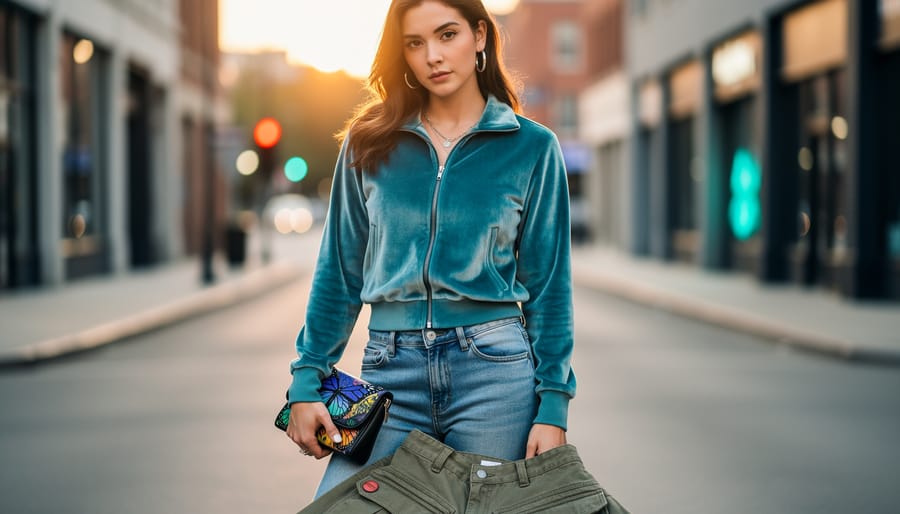
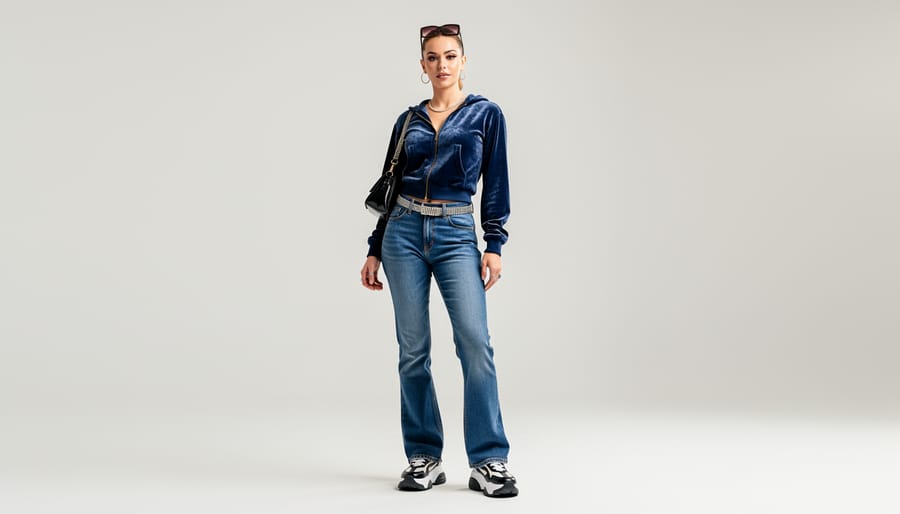
Velour tracksuits transformed athletic wear into status symbols, with Juicy Couture’s zip-up hoodies and matching pants epitomizing casual luxury. The trend represented a broader shift toward logo-driven loungewear that blurred boundaries between activewear and everyday fashion, appealing to consumers seeking comfort without sacrificing brand visibility.
Baby tees, cropped, fitted shirts often bearing logos or cheeky slogans, created the midriff-baring aesthetic central to Y2K style. Paired with low-rise bottoms, these tiny tops showcased deliberate skin exposure that felt rebellious and youth-focused.
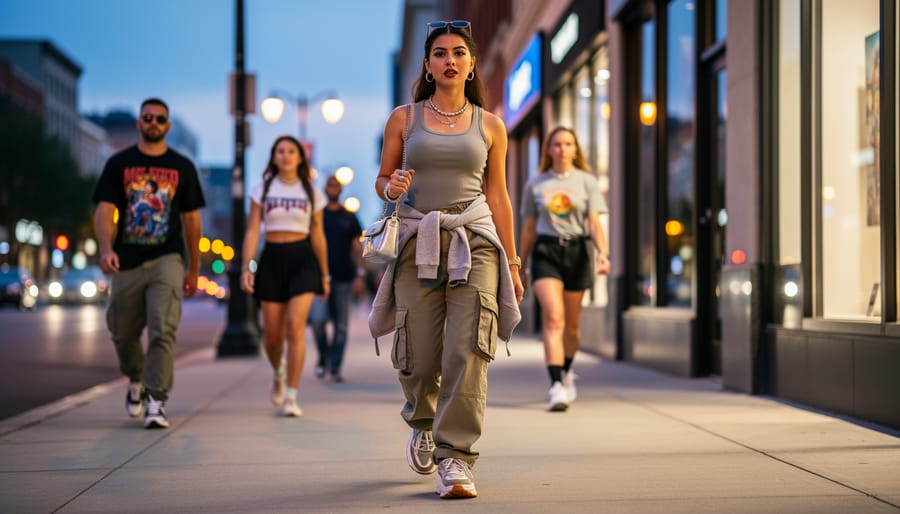
Cargo pants brought utilitarian design into mainstream fashion, featuring multiple oversized pockets and loose fits that offered practical storage alongside street-style credibility. The trend’s revival today connects to contemporary preferences for functional, comfortable clothing.
Logomania dominated apparel through oversized brand names, monogram prints, and conspicuous designer labels that turned clothing into walking advertisements. This overt branding satisfied both status-seeking consumers and brands capitalizing on visible marketing. Apparel’s 45.3% market dominance stems from these versatile, mix-and-match pieces that form complete looks rather than single statement items.
Footwear and Accessories That Define the Era
Platform shoes dominated 2000’s footwear, with chunky heels, wedge sandals, and elevated sneakers adding literal height to every outfit. Brands like Skechers and Steve Madden defined the era with their thick-soled designs, while Juicy Couture velour slides became the casual luxury staple. Chunky sneakers in metallic finishes and bold colorways reflected the decade’s maximalist approach to casual footwear.
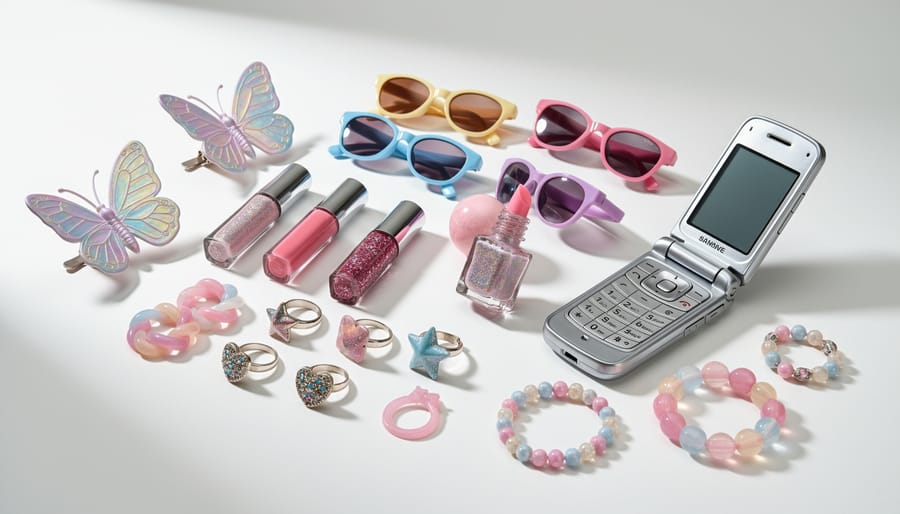
Accessories scaled to extremes: impossibly tiny handbags from Fendi’s Baguette to bedazzled clutches that barely held a phone became status symbols despite their impracticality. Hair accessories exploded with butterfly clips scattered across updos, zigzag headbands, and claw clips in translucent pastels. Logo-heavy pieces ruled, from Von Dutch trucker hats to oversized designer sunglasses with visible branding across the temples.
The accessory landscape prioritized visible branding and playful excess. Velvet chokers, layered charm necklaces, and studded belts worn low on hips completed the quintessential 2000’s silhouette, while frosted lip gloss tubes dangled from belt loops as both beauty product and fashion statement.
Beauty Products and the Y2K Glow
Y2K beauty marked a distinct departure from the matte minimalism of the ’90s, embracing high-shine, frosted finishes across every category. Glossy lips defined the era, think clear gloss layered over pale pink or applied alone for maximum shine. Frosted eyeshadows in icy blue, silver, and champagne tones created the signature metallic lid, while body shimmer transformed skin into a glowing canvas for low-rise silhouettes. Thin, severely plucked eyebrows framed faces, and NYFW beauty looks in recent seasons have nodded to this aesthetic with updated glossy textures. The Y2K beauty revival represents significant beauty industry innovation as brands reinterpret frosted formulas with modern skincare benefits while capturing the era’s unapologetic glamour.
Where and How Consumers Access 2000’s Fashion Today
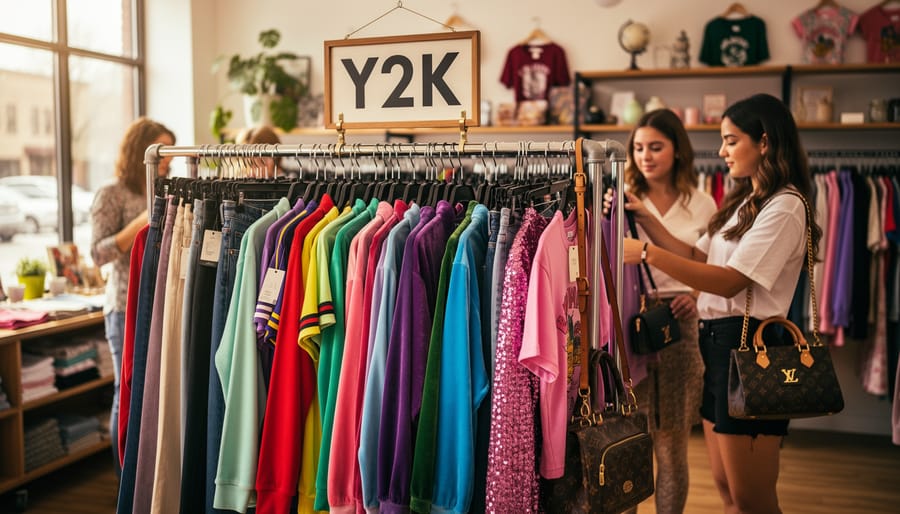
The Y2K fashion revival has created a sophisticated retail ecosystem that spans digital platforms, physical boutiques, and luxury reissues. Online stores dominate the market, with ASOS leading the competitive landscape through its strong digital presence and curated vintage-inspired collections. The platform’s success reflects broader consumer behavior: shoppers want immediate access to Y2K pieces without the uncertainty of true vintage hunting.
Specialty vintage boutiques have emerged as key players, offering authenticated early 2000s pieces alongside expert curation. These stores solve the sizing and condition challenges that plague secondhand marketplaces, though they command premium prices. Cities with established vintage scenes, New York, Los Angeles, London, house dedicated Y2K specialists, while digital vintage platforms like Depop and Vinted connect sellers directly with nostalgic buyers worldwide.
Fast fashion retailers have capitalized on the trend by producing Y2K-inspired pieces at accessible price points. Chains like Zara, H&M, and Urban Outfitters stock low-rise jeans, baby tees, and cargo pants that reference the aesthetic without requiring vintage sourcing. This accessibility partly explains North America’s 38.5% market dominance, where these retailers maintain extensive physical and digital footprints.
Luxury fashion has joined the revival through archival reissues and contemporary interpretations. Brands like Blumarine and Diesel have reintroduced signature 2000s styles, while newer labels collaborate with family-run factories to recreate authentic construction methods from the era. These pieces command designer prices but offer superior quality and collectibility.
The sustainability question divides the market. Buying authentic vintage extends garment lifecycles and avoids new production’s environmental costs. However, vintage availability can’t scale with demand, and condition issues mean some pieces have limited remaining wearability. New production allows broader access but contributes to fashion’s environmental footprint. Many consumers adopt a hybrid approach: investing in vintage statement pieces while filling gaps with contemporary basics. The market’s projected growth to $106.7 billion by 2034 suggests both channels will continue expanding as the trend matures beyond its initial nostalgia phase.
Styling 2000’s Fashion Trends for the Contemporary Wardrobe
The key to wearing 2000’s fashion in 2026 lies in selective integration rather than head-to-toe replication. Start by choosing one statement piece, a pair of low-rise jeans, a baby tee, or platform sneakers, and anchor it with contemporary basics. This prevents the costume effect while letting you participate in the aesthetic that’s driving the market’s 7.2% annual growth.
Proportion is everything when mixing eras. If you’re wearing low-rise bottoms, balance them with a fitted or cropped top to maintain a modern silhouette. Pair oversized Y2K cargo pants with a sleek bodysuit instead of a baggy top. The goal is creating tension between then and now, not recreating what someone actually wore in 2003. Think of vintage pieces as accent notes in a contemporary composition.
- Everyday: Low-rise jeans with a structured blazer and minimal sneakers
- Work: A baby tee layered under a tailored suit with pointed-toe flats
- Evening: Velour tracksuit jacket styled as outerwear over a slip dress with strappy heels
- Weekend: Cargo pants with a ribbed tank and chunky sandals
Material quality matters more now than it did originally. The fast-fashion versions flooding online stores capture the aesthetic but rarely the substance. Seek out authentic vintage pieces or contemporary versions in upgraded fabrics, real velour instead of polyester, substantial denim rather than flimsy iterations. This shift in quality is partly why apparel represents 45.3% of the Y2K fashion market: consumers want pieces that last beyond a single season.
Accessories offer the easiest entry point. A tiny shoulder bag, butterfly clips worn sparingly, or one piece of logo-heavy jewelry can signal the trend without overwhelming your existing wardrobe. Start small, observe what feels authentic to your personal style, then build from there. The most successful contemporary takes on 2000’s fashion feel like evolution, not nostalgia.
Common Questions About 2000’s Fashion Trends
What exactly counts as 2000’s fashion?
2000’s fashion encompasses the distinctive aesthetic that dominated the early millennium, characterized by low-rise denim, velour tracksuits, baby tees, platform footwear, tiny handbags, and logo-heavy accessories. The style reflects the optimistic, technology-embracing attitude of the era, blending pop culture influences with experimental silhouettes that defined early 2000s youth culture.
Why are 2000’s fashion trends experiencing such a massive comeback?
Gen Z’s nostalgia for an era they barely remember, combined with social media’s visual influence and celebrity adoption, has propelled Y2K fashion from niche throwback to mainstream phenomenon. The market’s growth from $62.4 billion in 2025 to a projected $106.7 billion by 2034 reflects genuine consumer demand rather than fleeting internet hype.
Which 2000’s trends should I try first?
Start with accessible pieces that integrate easily into contemporary wardrobes: straight-leg or slightly flared low-rise jeans, baby tees layered under blazers, chunky sneakers, and small shoulder bags. These foundational items let you test the aesthetic without committing to head-to-toe period looks that risk appearing costume-like.
How can I wear 2000’s fashion without looking dated?
Balance is everything. Pair one statement Y2K piece with modern basics, avoid replicating complete outfits from the era, and pay attention to fit, today’s silhouettes work differently than they did twenty years ago. Mix a velour zip-up with tailored trousers instead of the matching tracksuit bottoms, or style low-rise jeans with a structured blazer rather than a cropped hoodie.
The sustainability question around 2000’s fashion trends deserves nuanced consideration. Vintage shopping addresses overproduction concerns while extending garment lifecycles, but the surge in demand has also prompted fast fashion retailers to flood the market with cheaply made Y2K-inspired pieces. ASOS and other major online retailers have expanded their vintage and pre-loved sections alongside new Y2K collections, offering consumers choices across the sustainability spectrum. When shopping new production, look for brands committed to ethical manufacturing and quality construction that will outlast the trend cycle.
Authenticity concerns often surface when discussing Y2K fashion’s revival. Period-accurate pieces from specialty vintage boutiques carry different cultural weight than contemporary reinterpretations, yet both serve legitimate purposes in today’s market. The apparel category’s 45.3% market dominance includes both vintage originals and modern takes, reflecting varied consumer priorities around authenticity versus accessibility. Some fashion enthusiasts prize genuine archive pieces for their craftsmanship and historical value, while others prefer updated versions that incorporate contemporary comfort standards and inclusive sizing.
Understanding where to shop shapes your Y2K fashion experience significantly. North America’s 38.5% market dominance stems partly from robust vintage infrastructure and strong online retail presence, but distribution channels now span specialty stores, online marketplaces, and even supermarkets carrying accessible trend pieces. Your choice between these channels depends on whether you prioritize authenticity, budget, sustainability, or convenience in building your 2000’s-inspired wardrobe.
The transformation of 2000’s fashion trends from nostalgic curiosity to $62.4 billion market force demonstrates more than cyclical style, it represents a fundamental shift in how fashion operates. What began as Gen Z’s playful rediscovery has evolved into a sophisticated market segment projected to reach $106.7 billion by 2034, reshaping everything from product development to retail strategy. The apparel category’s commanding 45.3% market share proves these aren’t fleeting novelties but foundational pieces that resonate with contemporary consumers seeking both self-expression and connection to turn-of-the-millennium optimism.
This staying power signals that Y2K aesthetics have earned their place alongside future fashion trends rather than fading as expected. The convergence of vintage authenticity, designer reissues, and sustainable consumption has created a market that serves multiple consumer values simultaneously. As the industry continues integrating 2000’s elements into mainstream collections, we’re witnessing not a trend’s end but its maturation, a permanent expansion of fashion’s creative vocabulary that honors millennial heritage while offering fresh possibilities for personal style.
Leave a Reply