

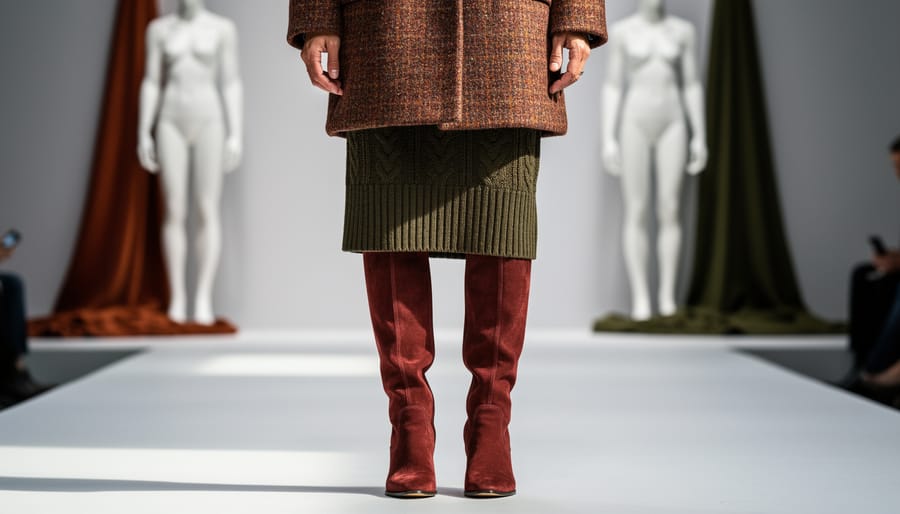
What Are Fall 2026 Fashion Trends (and How Do They Shape the Industry)?
Fall 2026 fashion trends represent the convergence of runway innovation, cultural shifts, and industry forecasting that collectively define what we wear, buy, and covet during the autumn season. These trends emerge from a complex interplay between designer collections shown months in advance, street style movements, and the commercial strategies of retailers translating high fashion into accessible pieces.
Understanding this season’s direction matters beyond simple style updates. The trends gaining traction this fall reflect broader conversations about sustainability, digital fashion integration, and the return to craftsmanship after years of minimalism. Fashion houses presented their Fall/Winter 2026 collections during fashion weeks earlier this year, revealing a marked shift toward tactile fabrics, nostalgic silhouettes, and a richer color palette that designers describe as a reaction to screen fatigue and digital saturation.
What makes fall 2026 particularly significant is how the industry has refined its approach to trend forecasting itself. Brands now balance the traditional six-month production cycle with real-time consumer data, creating a more responsive system that considers both aspirational runway concepts and what people actually want to wear. The emphasis on wearability doesn’t diminish creativity but rather channels it toward pieces that transition seamlessly between contexts.
This article unpacks how fall 2026 trends are identified and classified, the mechanisms behind their emergence, and practical ways to interpret them for your wardrobe. Whether you follow haute couture presentations or prefer accessible interpretations, understanding the framework behind seasonal trends transforms how you approach getting dressed each morning.
What Are Fall 2026 Fashion Trends?
Fall 2026 fashion trends represent the collective aesthetic direction for the autumn season, emerging from a complex interplay of designer vision, cultural zeitgeist, and market forces. Rather than arbitrary dictates handed down from fashion houses, these trends form through a dynamic conversation between runway presentations, street-level style innovation, and consumer desire, creating a seasonal visual language that defines what feels fresh, relevant, and desirable.
At their core, fall trends crystallize during the spring fashion weeks, when designers present their autumn-winter collections in New York, London, Milan, and Paris, but they don’t originate solely on those runways. What appears in September’s stores and editorial spreads draws from months of trend forecasting work, where agencies analyze everything from global political shifts to emerging subcultures. Simultaneously, street style photographers capture how early adopters reinterpret luxury looks with accessible pieces, creating a feedback loop that shapes which runway moments gain traction beyond the front row.
- Seasonal Collection
- The curated group of garments a designer or brand presents for a specific season, typically shown six months before retail availability. Fall collections debut in February and March.
- Trend Forecasting
- The analytical process of predicting future fashion directions by synthesizing runway presentations, cultural movements, and consumer behavior data, often conducted 12-18 months ahead of a season.
- Street Style
- Fashion captured outside official runway shows and events, documenting how individuals interpret trends through personal styling. It has become as influential as runway presentations in shaping seasonal narratives.
- Fashion Week Calendar
- The bi-annual circuit of major fashion events where designers present collections, running from New York through London, Milan, and Paris across roughly four weeks each February and September.
The convergence happens gradually. A silhouette that dominates Paris runways in March gets featured in April’s fashion magazines, adapted by contemporary brands for July delivery, then reinterpreted by high-street retailers for September availability. Throughout this cascade, the trend evolves, what started as an avant-garde runway statement becomes a wearable, commercially viable aesthetic that resonates with how people actually want to dress when temperatures drop and leaves turn.
Understanding fall 2026 trends means recognizing this ecosystem: they’re neither purely creative expressions nor purely commercial calculations, but rather the negotiated outcome of artistic vision meeting market reality, filtered through the lens of what feels culturally resonant in this particular moment.
How Fall Fashion Trends Are Identified and Established
The Role of Fashion Weeks and Designer Collections
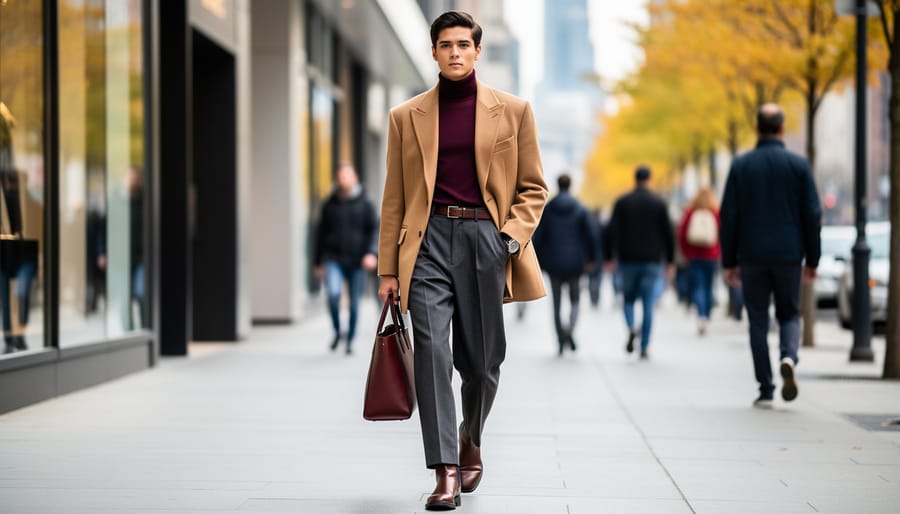
Fashion weeks serve as the industry’s primary mechanism for translating creative vision into commercial reality. Each February and March, designers present their fall collections across four major fashion capitals, setting in motion a months-long process that determines what consumers will see in stores come September.
New York Fashion Week opens the fall presentation season, typically showcasing 60 to 80 designer collections over eight days. The city’s pragmatic, commerce-focused approach means its runway presentations often prioritize wearability and market viability alongside creativity. Emerging designers use this platform to establish their aesthetic signatures, while established brands refine their commercial propositions.
Paris Fashion Week closes the circuit with haute couture’s most ambitious presentations. Here, heritage houses like Chanel and Dior set the tone for luxury interpretation, while independent designers push conceptual boundaries. The French capital’s collections carry disproportionate influence because major luxury conglomerates headquarters there and global fashion media concentrates its coverage on Paris shows.
Milan emphasizes craftsmanship and textile innovation, with Italian houses showcasing superior tailoring and fabric development. London balances emerging talent with established names, often introducing the season’s most experimental silhouettes and styling approaches. Buyers, editors, and trend forecasters attend all four weeks, synthesizing hundreds of collections into the cohesive trend narratives that define each season. What debuts on these runways in early spring becomes the framework for fall’s fashion conversation.
Trend Forecasting and Industry Analysis
While designers showcase their visions on runways, a parallel industry works to translate those creative statements into commercial reality. Trend forecasting agencies like WGSN and Peclers Paris analyze runway collections months before they reach stores, identifying patterns across shows and predicting which elements will resonate with consumers. These organizations don’t just report what they see, they synthesize thousands of data points, from fabric choices to color repetition to silhouette frequency, creating comprehensive reports that retailers and manufacturers use to plan production.
Fashion editors at publications like Vogue and WWD play a critical interpretive role, distilling weeks of shows into digestible trend narratives. Their coverage determines which runway moments gain cultural traction and which fade into obscurity. When major editors spotlight a particular sleeve shape or textile treatment across multiple designers, that editorial endorsement often becomes self-fulfilling prophecy.
Industry analysts take this work further, layering in consumer behavior data, retail sales trends, and cultural zeitgeist analysis. They assess not just what appeared on runways, but what’s likely to sell based on demographic shifts, economic conditions, and emerging lifestyle patterns. Many forecast services cover runway shows alongside street style, social media sentiment, and historical sales data to build predictive models.
This forecasting ecosystem operates 18 to 24 months ahead of retail availability, meaning the fall 2026 trends being analyzed now were actually predicted in early 2025, based on patterns identified even earlier.
Key Types of Fall 2026 Fashion Trends
Aesthetic and Style Movements
Fall 2026’s aesthetic landscape divides into four distinct movements, each offering designers and consumers different pathways for self-expression. Minimalism resurfaces with refined precision, emphasizing architectural cuts, monochromatic palettes, and investment pieces that prioritize quality over quantity. This movement aligns with sustainability goals while appealing to those seeking timeless wardrobes.
Maximalism counters with exuberant layering, bold pattern mixing, and theatrical proportions. Designers embrace color saturation, ornate embellishments, and eclectic combinations that celebrate individual creativity. This aesthetic particularly resonates in evening wear and statement pieces.
Heritage revival reinterprets archival designs through contemporary lenses. Brands mine their own histories, updating signature elements with modern fabrications and inclusive sizing. Think traditional tailoring reimagined with sustainable materials or vintage silhouettes adapted for current lifestyles.
Contemporary classicism bridges these extremes, taking foundational wardrobe staples and elevating them through unexpected details, innovative construction, or subtle subversion. A trench coat becomes sculptural, a blazer incorporates performance textiles. This movement dominates ready-to-wear collections, offering versatility without sacrificing fashion credibility.
Color Palettes and Textile Innovations
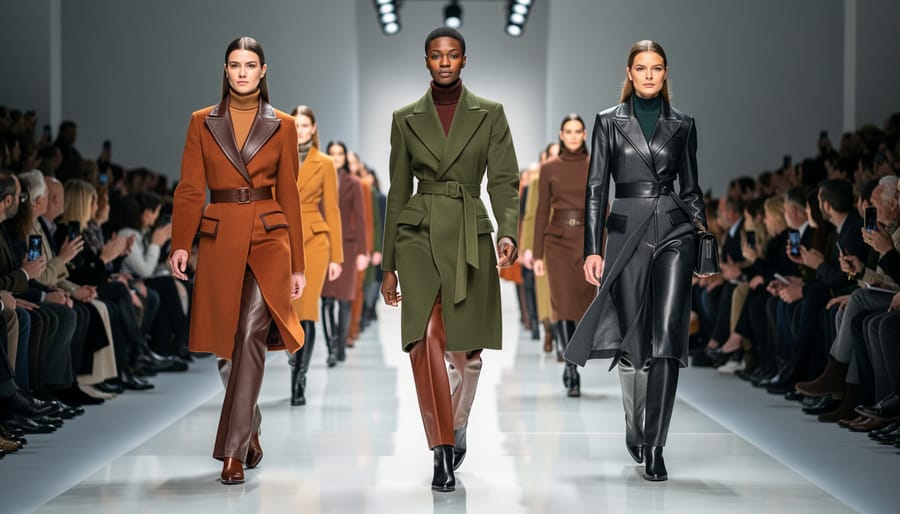
Fall 2026 color palettes reflect a departure from the muted earth tones that dominated recent seasons. Deep burgundies and oxblood reds anchor many collections, paired with unexpected chartreuse and moss greens that reference both natural landscapes and synthetic futurism. Designers are also embracing saturated cobalt blues alongside warm caramels, creating tension between cool and warm tones within single outfits.
Textile innovation centers on bio-fabricated materials that don’t compromise performance. Mushroom leather now appears in structured outerwear, while algae-based fibers offer moisture-wicking properties for transitional layering pieces. Several luxury houses have introduced recycled cashmere blends that maintain the softness of virgin fibers while reducing environmental impact.
The most striking development is thermochromic fabrics that shift color with temperature changes, allowing garments to transform from deep plum to soft lavender as wearers move between indoor and outdoor environments. This technology, previously confined to experimental collections, has reached ready-to-wear price points. Meanwhile, deadstock quilting, constructed from pre-existing fabric waste, creates unique patchwork effects that make sustainability visible rather than hidden.
Silhouettes and Construction Techniques
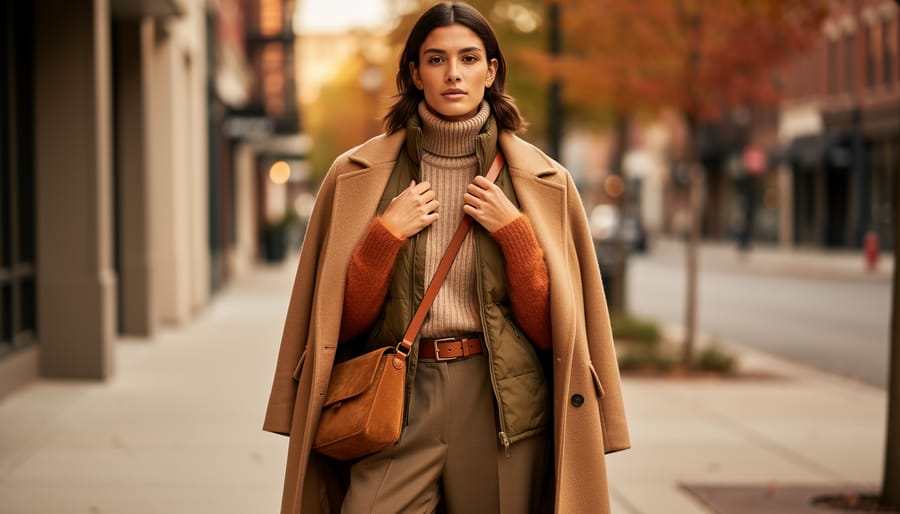
Fall 2026 silhouettes pivot toward structured ease, where architectural tailoring meets unexpected softness. The dominant shapes reflect a post-pandemic recalibration of formal dressing: blazers and coats feature exaggerated shoulders paired with relaxed, fluid trousers that pool slightly at the ankle. This contrast between precision and release appears across price points, from Prada’s sharply cut wool jackets over wide-leg silk pants to contemporary brands interpreting the look with jersey blends.
Proportion plays a deliberate game of contradiction. Designers are lengthening hemlines while raising waistlines, creating elongated torsos that recall 1940s silhouettes without costume pastiche. Dresses and skirts hit mid-calf, often with asymmetric hems or subtle pleating that adds movement without volume.
Construction techniques emphasize visible craftsmanship. Exposed seams, contrast topstitching, and reversed garments that show interior finishing reflect consumer interest in garment construction and quality indicators. This transparency extends to deconstructed tailoring where lining becomes outerwear, and padding shifts to unexpected areas like sleeves rather than shoulders.
Layering remains central but more intentional, with designers creating pieces that interact rather than simply stack. Detachable sleeves, modular closures, and convertible elements allow single garments to shift between silhouettes, addressing both sustainability concerns and the desire for wardrobe versatility without sacrificing design integrity.
Where Fall 2026 Trends Are Being Applied
From Runway to Retail
The journey from runway to retail represents fashion’s most crucial translation process, where avant-garde designer visions transform into commercially viable products across vastly different price points. This adaptation isn’t simple copying, it’s strategic reinterpretation that balances creative integrity with market realities.
Luxury brands showcase their fall 2026 collections months before consumer availability, typically during February and March fashion weeks. These pieces hit flagship stores by August, commanding premium prices that reflect hand-finished construction and limited production runs. At this tier, trends appear in their purest form: the exact silhouettes, fabrics, and details designers intended.
Contemporary brands occupy the middle ground, launching abbreviated versions of runway trends within six to eight weeks of fashion week presentations. They preserve key aesthetic elements, a distinctive sleeve shape, a signature print treatment, while substituting more accessible materials and streamlined construction methods. A hand-pleated silk blouse from the runway might become a machine-pleated polyester version at one-third the price.
Fast fashion retailers compress this timeline dramatically, producing trend-inspired pieces within two to three weeks of identifying commercially promising directions. Their approach focuses on visual similarity rather than technical accuracy: similar color palettes, comparable silhouettes, trend-signaling details like oversized buttons or exaggerated collars that telegraph the season’s mood without replicating designer specifics.
This tiered system democratizes fashion while maintaining distinct market segments, each serving different consumer needs and budgets.
Street Style and Consumer Adoption
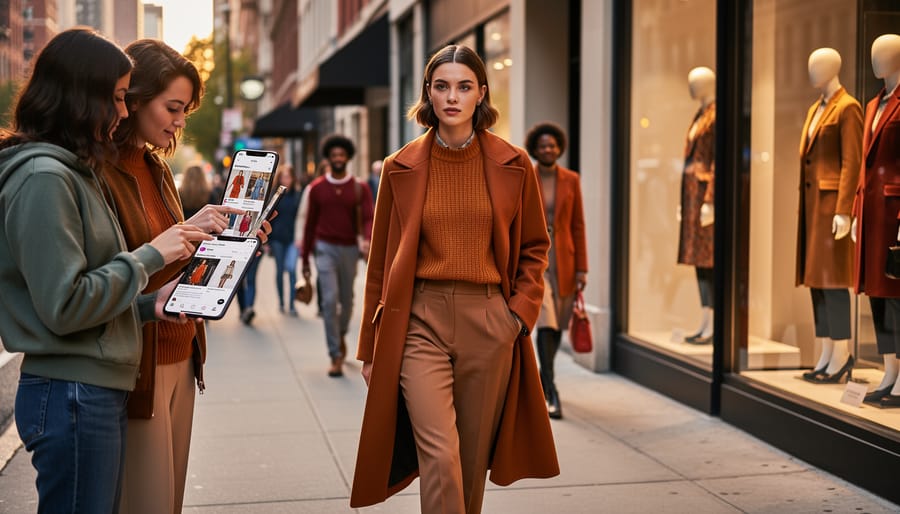
Street style documentation and social media amplification now determine which runway trends transition from designer vision to mainstream adoption. Instagram, TikTok, and digital platforms have shifted power from traditional fashion gatekeepers to a diverse ecosystem of content creators, micro-influencers, and style-conscious consumers who validate or reject trends through their daily outfit choices.
The fall 2026 trend cycle moves faster than ever. A silhouette debuts on a Paris runway in March, appears on street style photographers’ feeds during fashion week, gets interpreted by mid-tier influencers within weeks, and reaches trend saturation through fast-fashion retailers by September. This compressed timeline means consumer response happens in real time, with engagement metrics serving as immediate feedback on trend viability.
Authenticity drives adoption. Consumers gravitate toward trends that feel personally adaptable rather than costume-like. The oversized outerwear and layered textures dominating fall 2026 gained traction precisely because everyday dressers demonstrated how to integrate these elements into existing wardrobes. User-generated content showing affordable styling alternatives democratizes access, making luxury trends achievable at multiple price points.
Regional interpretation matters significantly. A trend thriving in Copenhagen street style might manifest differently in Tokyo or New York, with local climate, cultural preferences, and retail availability shaping how consumers adopt and adapt. This geographic variation creates micro-trends that coexist within the broader fall 2026 aesthetic, reflecting fashion’s increasingly decentralized nature.
Sustainability and Inclusivity in Fall 2026 Trends
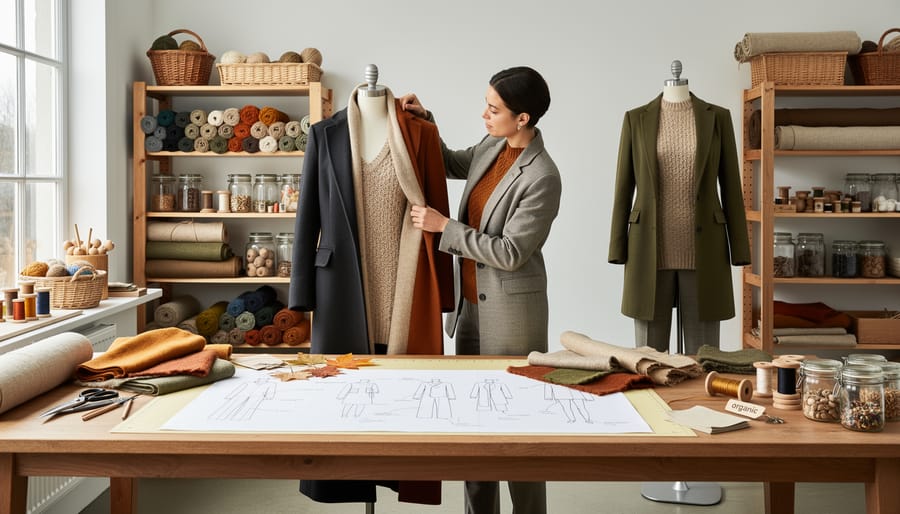
The fashion industry’s sustainability and inclusivity commitments have moved beyond performative gestures to genuinely reshape what appears on fall 2026 runways. Designers are now building collections around circular design principles from the outset, with garments conceived for longevity, repair, and eventual material recovery. This isn’t merely about using organic cotton or recycled polyester, though those materials remain important, but about rethinking construction techniques so clothes can be disassembled, components replaced, and fibers eventually reclaimed.
Several major houses have introduced fall collections using mono-material construction, where garments consist entirely of one fiber type to simplify future recycling. Others are incorporating modular design elements: detachable sleeves, interchangeable panels, and reversible pieces that extend a garment’s functional lifespan. The aesthetic impact is visible in exposed seams designed for easy unpicking, visible mending details treated as design features, and deliberately timeless silhouettes that resist obsolescence.
Inclusivity has similarly evolved from token representation to fundamental design philosophy. Fall 2026 collections increasingly feature extended size ranges as standard offerings rather than separate lines, with luxury brands finally acknowledging that elegant design should accommodate all body types. The technical execution matters here: properly graded patterns that maintain proportional integrity across sizes, not simply scaled-up versions of straight-size garments.
Runway casting reflects this shift. The diversity now extends beyond size to include models across age ranges, abilities, and gender expressions, presented not as special moments but as the natural fabric of fashion presentation. Campaigns for fall collections show similar breadth, moving away from the homogenous aesthetic that dominated previous decades.
The sustainability-inclusivity intersection produces interesting developments. Adaptive fashion features, magnetic closures, adjustable waistbands, one-handed fastenings, are being incorporated into mainstream collections as thoughtful design rather than specialized products. Similarly, the push toward local production and transparent supply chains creates opportunities for diverse manufacturing partnerships and artisan collaborations that were previously overlooked.
These aren’t separate trends operating in isolation but interconnected values reshaping how the industry conceptualizes, produces, and presents fashion. The fall 2026 season demonstrates that ethical considerations and creative excellence can coexist, with sustainability and inclusivity becoming integral to what defines compelling contemporary design.
Expert Perspectives on Fall 2026 Fashion Direction
Fashion industry leaders agree that Fall 2026 represents a pivotal moment where commercial viability meets genuine creative experimentation. “We’re seeing designers move past the performative sustainability of recent seasons toward systemic changes in how collections are conceived and produced,” observes Maria Chen, fashion director at a leading trend forecasting agency. This shift reflects broader economic pressures: brands can no longer afford to create trends that don’t resonate deeply with consumers who have become increasingly selective about purchases.
The season’s emphasis on wardrobe longevity over novelty marks what several analysts describe as fashion’s maturation phase. Designers are responding to consumer fatigue with trend churn by creating pieces meant to last multiple seasons rather than feeling disposable after a single wear. This represents a fundamental recalibration of the fashion calendar’s traditional obsolescence model.
Cultural influences are manifesting in unexpected ways. The resurgence of craft-based techniques, hand-knitting, visible mending, artisanal dyeing, speaks to a collective desire for human connection in an increasingly digital world. “These aren’t just aesthetic choices,” notes designer Alessandro Moretti, whose fall collection features extensive hand-finishing. “They’re responses to people craving authenticity and evidence of human labor.”
Economic uncertainty has paradoxically generated creative risk-taking. With traditional luxury consumers cutting back on obvious logo pieces, designers have more freedom to explore conceptual territory. The resulting collections feel less concerned with immediate commercial appeal and more focused on establishing lasting design signatures.
Industry analysts point to the blurring of seasonal boundaries as another defining characteristic. Fall 2026 collections increasingly incorporate trans-seasonal pieces that work across climate zones and weather patterns, acknowledging both global retail realities and climate change’s impact on traditional seasonal dressing. This practical shift challenges the very framework that has structured fashion for decades, suggesting an industry in genuine transition rather than temporary adjustment.
Frequently Asked Questions About Fall 2026 Fashion Trends
Understanding fall fashion trends can feel overwhelming, especially when trying to navigate the gap between runway presentations and everyday wearability. These questions address the most common concerns about identifying, accessing, and incorporating seasonal trends into your personal style.
How can I identify which fall trends will actually make it to stores?
Look for recurring themes across multiple designer collections during fashion weeks, particularly styles featured by both luxury and contemporary brands. Trends that appear in pre-fall collections from major retailers and receive significant coverage in fashion media are most likely to reach mainstream availability.
When do fall 2026 trends typically become available for purchase?
Designer collections shown during February and March fashion weeks arrive in stores between July and September, while fast fashion interpretations often appear within weeks of runway shows. Pre-fall collections, which bridge summer and autumn, typically launch in June.
Do I need to follow every trend to stay current?
Absolutely not. The most stylish approach involves selecting one or two trends that complement your existing wardrobe and personal aesthetic rather than attempting to adopt every seasonal direction.
How long do fall fashion trends typically remain relevant?
Major aesthetic movements often influence fashion for two to three seasons, while specific details like particular color palettes or accessory styles may fade after one season. Investment pieces in trending silhouettes generally maintain relevance longer than highly specific statement items.
The relationship between trend awareness and personal style matters more than strict trend adherence. Fashion professionals consistently emphasize that understanding why a trend resonates, whether it’s a response to cultural shifts, technological innovation, or a revival of historical references, helps you make smarter decisions about which elements to incorporate.
Consider your lifestyle and existing wardrobe before committing to trend pieces. A trending oversized blazer works across multiple seasons and occasions, while a highly specific printed piece in this season’s exact color story offers less versatility. The goal isn’t chasing every trend but building a wardrobe that reflects both current fashion direction and your individual needs.
how it works
The fall fashion trend cycle operates through a coordinated sequence that typically begins 6-8 months before garments reach consumers. Designers develop their fall collections throughout the preceding winter and spring, drawing inspiration from cultural moments, archival references, and forecasted societal shifts. These collections debut at fashion weeks held between February and March, where buyers, editors, and trend analysts attend presentations to identify emerging patterns.
Trend forecasting agencies synthesize runway shows into cohesive trend reports, categorizing recurring themes across color, silhouette, and fabric. Fashion editors translate these observations into editorial features for September issues, traditionally the most influential publishing moment for fall fashion. Simultaneously, retail buyers place orders for production, determining which runway concepts will actually reach store floors.
Fast fashion brands compress this timeline dramatically, replicating high-fashion trends within weeks rather than months. Meanwhile, street style photographers document how early adopters interpret runway ideas in real-world contexts, creating feedback loops that amplify certain trends while others fade. This multi-layered process explains why some runway moments become ubiquitous while equally prominent presentations disappear without commercial impact.
Types or components
Fall 2026 fashion trends operate through interconnected components that together create the season’s aesthetic landscape. Understanding these building blocks helps decode how trends function across the industry.
Directional trends set the overarching creative vision, established by luxury houses and avant-garde designers during fashion weeks. These high-concept presentations introduce new proportions, unexpected fabric combinations, or radical styling approaches that influence the broader market.
Commercial trends translate directional concepts into wearable, saleable pieces for mainstream retailers. A designer’s deconstructed blazer becomes a relaxed oversized jacket at contemporary brands, maintaining the spirit while adapting for everyday wear.
Micro-trends capture fleeting moments of viral popularity, often driven by social media or celebrity endorsement. These emerge and fade quickly, filling specific niches without reshaping entire collections.
Color and material forecasts provide the technical foundation, determining which hues, textures, and fabrications appear across all categories. These decisions happen 18-24 months ahead, ensuring supply chain coordination.
Each component operates on different timelines and influence levels, creating the layered complexity that defines a fashion season.
uses
Fall 2026 fashion trends serve multiple strategic purposes across the industry ecosystem. For designers and brands, they provide directional guidance for collection development, ensuring products align with market expectations while maintaining creative differentiation. Retailers use trends to inform buying decisions, allocating inventory budgets toward styles with predicted consumer appeal and managing seasonal transitions.
Fashion editors and stylists apply trend knowledge to create compelling editorial content and build cohesive lookbooks that resonate with their audiences. Marketing teams leverage trend insights to craft seasonal campaigns that feel current without appearing dated by launch.
For consumers, understanding fall trends enables informed wardrobe planning and smart shopping decisions. Recognizing emerging patterns helps prioritize purchases that will remain relevant beyond a single season while identifying which micro-trends might fade quickly. Personal stylists use trend analysis to guide clients toward pieces that balance contemporary appeal with individual style preferences and lifestyle needs, creating wardrobes that feel both fresh and authentic.
Fall 2026 fashion trends represent more than seasonal aesthetic shifts, they reflect a maturing industry navigating the tension between creative vision and commercial reality. Designers balance artistic expression with retail demands while consumers exercise unprecedented influence through social media engagement and purchasing decisions. This dialogue reshapes how trends emerge and gain traction, moving beyond the traditional top-down model to something more collaborative and responsive.
Sustainability has moved from peripheral concern to central organizing principle. The trends defining this season incorporate circular design thinking, material innovation, and transparency expectations that weren’t negotiable a decade ago. Fashion houses that once dictated trends now answer to consumers demanding accountability alongside desirability.
The compression of trend cycles presents both opportunity and challenge. Digital platforms accelerate trend discovery and adoption, yet thoughtful designers resist disposability by creating pieces meant to transcend fleeting moments. This tension produces a bifurcated market: fast-moving microtrends coexist with enduring aesthetic movements that reward patient observation.
Understanding fall 2026 trends means recognizing these underlying dynamics. The season’s defining looks matter less than grasping how trends function within an ecosystem where creativity, commerce, technology, and ethics intersect. Fashion professionals and enthusiasts who read these currents position themselves not just to follow trends but to anticipate where the industry moves next, an increasingly valuable skill as change accelerates.
Leave a Reply