

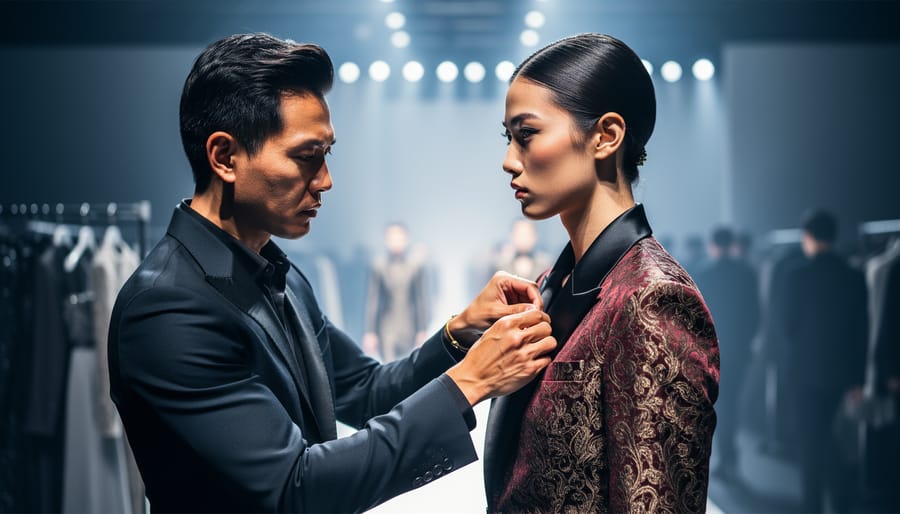
Why the Fashion Industry’s Anti-Asian Hate Problem Runs Deeper Than You Think
The rise in anti-Asian violence and discrimination since 2020 has exposed a troubling reality that fashion insiders can no longer ignore: our industry’s relationship with Asian culture has been extractive rather than equitable. While runways have appropriated Eastern aesthetics for decades—from Dior’s chinoiserie to countless brands profiting from streetwear inspired by Japanese fashion—the people behind these influences remain underrepresented in creative leadership, face persistent casting discrimination, and encounter a bamboo ceiling that prevents advancement to decision-making roles.
Recognize that performative allyship during Asian American and Pacific Islander Heritage Month is insufficient. The industry’s response to anti-Asian hate demands structural change: increasing Asian representation in design houses, editorial mastheads, and C-suite positions where cultural narratives are actually shaped. Examine your brand’s supply chain relationships with Asian manufacturers and artisans—are these partnerships exploitative or collaborative? Does compensation reflect the value extracted?
Support Asian designers by amplifying their work beyond tokenistic gestures. This means featuring emerging talent alongside established names like Phillip Lim and Prabal Gurung, investing in their businesses through retail partnerships, and ensuring fashion week schedules provide equal platform opportunities. During Paris Fashion Week and New York Fashion Week, challenge the industry’s tendency to celebrate Asian aesthetics while marginalizing Asian voices.
Commit to education that moves beyond stereotypes. Fashion journalism must contextualize Asian influences with proper attribution, moving away from vague “Oriental inspiration” toward specific cultural acknowledgment. The sophistication your audience expects demands this level of rigor—anything less perpetuates the harm that makes anti-Asian hate possible in the first place.
The Reality of Anti-Asian Discrimination in Fashion
Cultural Appropriation vs. Appreciation
The distinction between cultural appreciation and appropriation remains particularly contentious within fashion, where the industry’s creative借鉴 from Asian aesthetics has frequently crossed ethical boundaries. Understanding this line requires examining intent, context, and most importantly, whose voices receive credit and compensation.
When Valentino’s Fall 2016 collection sent predominantly white models down the runway in elaborate geisha-inspired styling, complete with ornate hair decorations and kimono silhouettes, critics questioned why Asian models weren’t chosen to represent these cultural references. Similarly, Dolce & Gabbana’s controversial 2018 campaign featuring stereotypical portrayals of Chinese culture with condescending undertones demonstrated how superficial engagement with Asian heritage can perpetuate harmful narratives rather than celebrate them.
Fashion historian Dr. Valerie Steele notes that genuine appreciation involves collaboration with Asian designers, crediting cultural origins, and ensuring Asian voices lead conversations about their own heritage. The difference manifests in execution: Marc Jacobs’ spring 2017 show faced backlash for placing pastel dreadlocks on white models, drawing from multiple cultures without acknowledgment, while designers like Prabal Gurung and Phillip Lim have successfully integrated their Asian heritage through authentic storytelling that centers their lived experiences.
The industry’s relationship with Asian culture too often treats it as aesthetic fodder rather than recognizing the rich histories and contemporary innovations of Asian designers themselves. True appreciation requires more than surface-level borrowing during Asia-themed collections. It demands sustained investment in Asian talent, meaningful partnerships with Asian communities, and willingness to share platforms and profits. When fashion extracts cultural elements without reciprocal respect or representation, it perpetuates the very systems that enable anti-Asian discrimination to flourish.
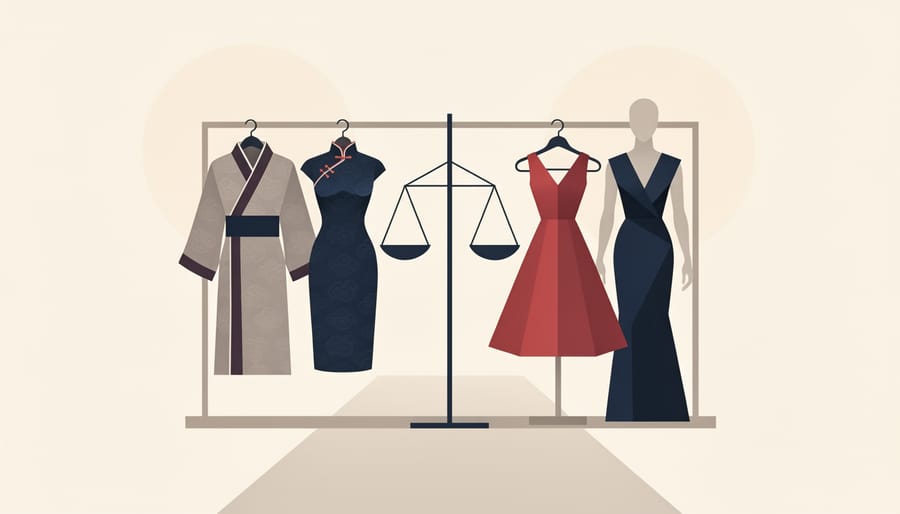
Behind the Scenes: Workplace Discrimination
While runway shows capture headlines, discrimination against Asian professionals persists quietly in design studios, corporate offices, and casting rooms throughout the fashion industry. Recent testimonies from industry insiders reveal a troubling pattern of systemic barriers that limit career advancement and creative expression.
Asian designers frequently report being pigeonholed into narrow aesthetic categories. “There’s an assumption that because I’m Asian, my work should reference my heritage constantly,” shares a New York-based designer who requested anonymity. “When Western designers draw inspiration from Asia, it’s celebrated as cosmopolitan. When we do it, we’re not evolving.” This double standard extends to hiring practices, where Asian creatives often find themselves overlooked for leadership positions despite impressive portfolios and experience.
Models of Asian descent face their own unique challenges. Casting directors have admitted to requesting “diversity, but not too much,” code language that often means limiting Asian representation on runways. Industry veteran Gemma Chan has spoken openly about being asked to “act more Asian” or conversely, being rejected for being “not Asian enough” for certain roles and campaigns.
Behind the scenes, microaggressions create hostile work environments. Asian professionals describe being praised for being “hardworking and obedient” while simultaneously being deemed too passive for leadership roles. These stereotypes create glass ceilings that statistical data confirms: Asian Americans represent less than 2% of fashion industry executives despite significant representation at entry-level positions.
Fashion journalist Eugene Rabkin notes that the industry’s approach to addressing these issues has been largely performative. “True change requires examining promotion practices, salary equity, and who holds decision-making power,” he observes. The conversation is shifting, but meaningful structural reform remains frustratingly slow.
How Major Fashion Brands Are (or Aren’t) Responding
Meaningful Action vs. Empty Statements
The fashion industry’s response to anti-Asian hate has revealed a stark divide between performative allyship and substantive change. While countless brands rushed to post black squares and solidarity statements on social media, discerning observers quickly learned to distinguish genuine commitment from digital theater.
Authentic action manifests in measurable ways. Brands like Prabal Gurung and Phillip Lim have leveraged their platforms not just for statements, but for tangible financial support, establishing funds for AAPI community organizations and mutual aid networks. Other houses have begun scrutinizing their hiring practices, moving beyond token representation to ensure Asian designers, models, and executives occupy decision-making positions throughout their organizations.
According to Anna Sui, who has championed Asian representation for decades, meaningful change requires sustained effort. “It’s not about one Instagram post or one diverse runway show,” she notes. “It’s about consistent investment in Asian talent, from internship programs to C-suite appointments.”
The most impactful initiatives include partnerships with Asian-owned businesses, dedicated mentorship programs, and transparent diversity reporting. Brands like Tory Burch have implemented supplier diversity programs specifically supporting Asian-owned manufacturers, while others have created scholarship funds for Asian fashion students.
Empty solidarity fades with the news cycle. Genuine commitment builds infrastructure for lasting change. For fashion professionals evaluating brand responses, examine budget allocations, hiring data, and long-term partnerships rather than carefully worded statements. The industry’s future depends on this discernment.
Brands Getting It Right
Several forward-thinking brands are setting meaningful precedents in combating anti-Asian hate through substantive action rather than performative gestures. The fashion industry has witnessed a shift toward genuine advocacy, particularly following targeted attacks against AAPI communities.
Prabal Gurung has consistently leveraged his platform during New York Fashion Week to amplify Asian voices, incorporating social justice messaging into his runway presentations while maintaining his commitment to authentic representation. His Spring 2022 collection notably featured a diverse cast that celebrated Asian heritage without resorting to stereotypical imagery.
Similarly, Pyer Moss made headlines by partnering with AAPI advocacy organizations, dedicating proceeds from specific collections to support community initiatives. This approach demonstrates how luxury brands can align commercial success with social responsibility.
Major retailers like Nordstrom have expanded their buyer programs to prioritize AAPI-owned brands, providing crucial visibility to emerging designers who previously struggled to secure placement in prestigious department stores. According to retail analyst Michelle Chen, these partnerships represent more than token diversity efforts, offering sustained financial support and mentorship opportunities.
On the runway, casting directors have increasingly featured Asian models in lead positions rather than limiting them to token appearances. Alexander Wang and Phillip Lim have both advocated for comprehensive representation behind the scenes as well, ensuring Asian creatives occupy decision-making roles in styling, production, and creative direction.
These examples illustrate that meaningful change requires sustained commitment, financial investment, and structural transformation rather than temporary social media campaigns. The brands getting it right understand that authentic allyship demands consistent action.

Amplifying Asian Voices in Fashion
Rising Asian Designers Breaking Barriers
The fashion landscape is witnessing a remarkable surge of Asian designers whose innovative approaches challenge traditional Western-dominated narratives. These creatives bring fresh perspectives that deserve our attention and investment.
Priya Ahluwalia, the British-Indian designer behind Ahluwalia, has garnered international acclaim since winning the H&M Design Award in 2019. Her collections masterfully blend vintage sourcing with contemporary silhouettes, addressing both sustainability and cultural heritage. Industry veterans have praised her ability to transform personal narratives into universally resonant designs, with her work featured prominently during London Fashion Week.
Korean designer Rejina Pyo continues to build momentum with her refined approach to everyday luxury. Her emphasis on architectural cuts and muted palettes speaks to a sophisticated understanding of modern dressing, earning stockists from Net-a-Porter to Selfridges.
Meanwhile, Peter Do, a Vietnamese-American designer, has captivated the industry with his deconstructed tailoring and minimalist aesthetic. His appointment as Creative Director at Helmut Lang in 2021 marked a significant milestone for Asian representation in heritage fashion houses.
Christopher John Rogers, whose Filipino heritage influences his exuberant use of color and volume, received the CFDA American Emerging Designer Award, demonstrating how diverse perspectives enrich the industry’s creative vocabulary.
Supporting these designers transcends purchasing decisions; it represents a commitment to reshaping fashion’s future through genuine inclusivity and recognition of exceptional talent regardless of origin.
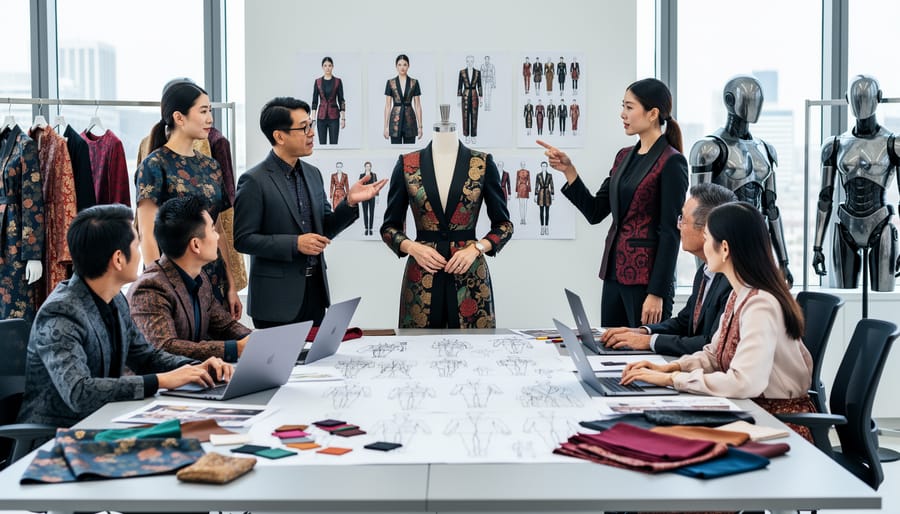
Models and Influencers Demanding Change
A new generation of Asian voices within fashion is refusing to remain silent. Following the surge in anti-Asian violence during the pandemic, models, influencers, and content creators have transformed their platforms into powerful vehicles for change, demanding accountability from an industry that has long benefited from Asian aesthetics while marginalizing Asian talent.
Gemma Chan, known for her red carpet presence at events like the Met Gala, has become increasingly vocal about the industry’s complicity in perpetuating harmful stereotypes. Speaking candidly about casting directors’ preferences for “exotic” features over authentic representation, she’s challenged brands to examine their hiring practices beyond performative diversity statements.
Korean-American model Soo Joo Park has leveraged her platform to document microaggressions experienced backstage at major fashion weeks, sharing experiences that many Asian professionals previously felt compelled to endure in silence. Her advocacy extends beyond personal storytelling, partnering with organizations focused on systemic reform within creative industries.
Digital influencers like Aimee Song and Chriselle Lim have redirected their considerable followings toward education, breaking down how anti-Asian sentiment manifests in fashion commentary and consumer behavior. Their collaborative campaigns with heritage brands demonstrate how commercial success and cultural advocacy can coexist.
These voices represent more than individual activism. They’re catalyzing industry-wide conversations about equitable representation, fair treatment, and the dismantling of colonial beauty standards that continue shaping fashion’s creative direction.
What Fashion Professionals Can Do Right Now
For Brands and Executives
The fashion industry’s commitment to dismantling anti-Asian hate requires more than statements—it demands structural transformation. Leading executives must prioritize comprehensive diversity initiatives that extend beyond tokenism, implementing robust Asian representation at decision-making levels across design, marketing, and leadership roles.
Authentic collaboration stands as a cornerstone of meaningful change. Rather than appropriating Asian aesthetics for commercial gain, brands should forge genuine partnerships with Asian designers, establishing equitable revenue-sharing models and creative control. The success of initiatives like those seen at recent New York Fashion Week presentations demonstrates how authentic representation resonates with contemporary audiences while expanding market reach.
Policy reform within organizations proves essential for lasting impact. Fashion houses should establish clear protocols addressing microaggressions, implement mandatory cultural competency training, and create transparent reporting systems for discrimination incidents. Compensation audits ensuring pay equity across racial lines signal genuine commitment to institutional change.
Furthermore, brands must leverage their platforms to amplify Asian voices year-round, not merely during Heritage Month observances. Investing in Asian-owned businesses, featuring diverse models in campaigns, and supporting anti-hate organizations through sustained financial commitments creates tangible progress. Industry leaders who champion these initiatives position themselves at the forefront of fashion’s evolution toward true inclusivity, setting standards that ripple throughout the entire creative ecosystem.
For Fashion Enthusiasts and Consumers
The power to reshape fashion’s future lies directly in your hands—and your wallet. Supporting Asian designers and creators goes beyond simply making purchases; it requires actively amplifying their voices on social media, attending their shows, and engaging meaningfully with their work. Industry veteran Phillip Lim recently emphasized that “visibility translates to viability” in the current fashion landscape, making each share, comment, and purchase a vote for more equitable representation.
When witnessing problematic behavior—whether it’s a discriminatory comment at Fashion Week or offensive imagery in a campaign—speak up immediately. Document incidents, contact brand representatives directly, and leverage social media platforms to demand accountability. Your voice matters, particularly when collective action follows.
Deploy your purchasing power strategically. Research brands’ diversity practices before investing in their products, prioritizing those with Asian representation in leadership positions and on runways. Conversely, hold corporations accountable when they fail. The swift consumer backlash against major houses using anti-Asian imagery demonstrates how economic pressure drives meaningful change.
Consider this elevated form of conscious consumerism: every fashion choice becomes an opportunity to support inclusion. Follow Asian fashion journalists, engage with their content, and trust their expertise when they identify problematic patterns. Building an inclusive industry requires sustained commitment—from calling out microaggressions to celebrating breakthrough moments when Asian designers headline major fashion events.
The Connection Between Fashion Events and Social Responsibility
Major fashion events have increasingly recognized their responsibility to address systemic inequities, including anti-Asian discrimination. New York Fashion Week, historically criticized for its lack of diversity, has made measurable strides in recent seasons. The Spring 2023 shows featured a record number of AAPI designers on the official calendar, including established names and emerging talents who previously struggled for recognition. Milan and Paris Fashion Weeks have similarly expanded their rosters, acknowledging that representation at these prestigious platforms sends powerful messages throughout the industry.
However, true progress extends beyond simply adding more AAPI faces to the runway. According to casting director James Scully, who has long advocated for inclusivity, “Representation without structural support is performative. Fashion weeks must provide equal resources, prime time slots, and promotional visibility to designers of all backgrounds.” This critique highlights persistent disparities: AAPI designers often receive less favorable show times, reduced press coverage, and smaller venues compared to their Western counterparts.
Some events are implementing substantive changes. London Fashion Week partnered with the British Fashion Council to create mentorship programs specifically supporting underrepresented designers, including those of Asian heritage. These initiatives provide business development resources, investor connections, and marketing support that address systemic barriers to success.
The pandemic-era rise of digital fashion weeks presented unexpected opportunities for geographic diversity, enabling designers from Seoul, Tokyo, and Shanghai to participate without the prohibitive costs of international travel. Fashion weeks must now determine whether these inclusive digital components will remain permanent features.
Industry experts emphasize that fashion events bear unique responsibility as cultural tastemakers. Their choices regarding who receives platforms directly influence consumer perceptions, retail buying patterns, and career trajectories for emerging designers, making their commitment to combating anti-Asian discrimination particularly consequential.
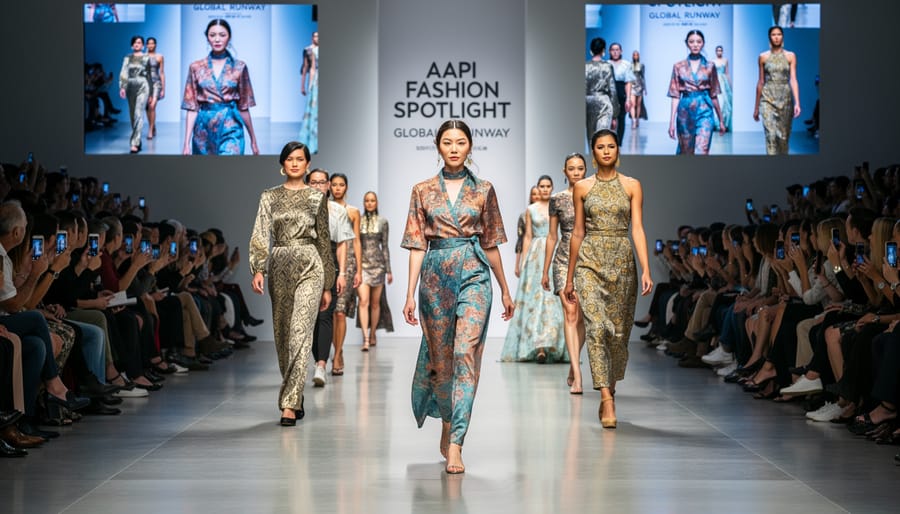
Combating anti-Asian hate in fashion demands more than performative gestures during cultural heritage months or reactive statements following tragic incidents. The industry’s commitment must extend beyond trend cycles and social media campaigns, embedding authentic representation into the fundamental structure of fashion houses, editorial boards, and runway narratives. As we’ve witnessed at recent shows from Paris to New York, genuine progress emerges when Asian designers receive platforms without tokenization, when casting directors prioritize diversity year-round, and when brands invest in long-term partnerships with Asian-owned businesses rather than one-off collaborations.
The responsibility extends to every industry participant. Fashion editors must demand comprehensive coverage of Asian talent in their publications. Buyers should scrutinize their vendor portfolios for meaningful diversity. Most importantly, consumers hold immense power through purchasing decisions and social advocacy. Support brands demonstrating consistent commitment to Asian representation, amplify Asian voices in fashion discourse, and hold companies accountable when their actions contradict their statements. Meaningful transformation requires sustained vigilance, uncomfortable conversations, and unwavering dedication to equity. The fashion industry has the influence to drive cultural change—let’s ensure that influence creates lasting impact rather than fleeting moments of awareness.
Leave a Reply